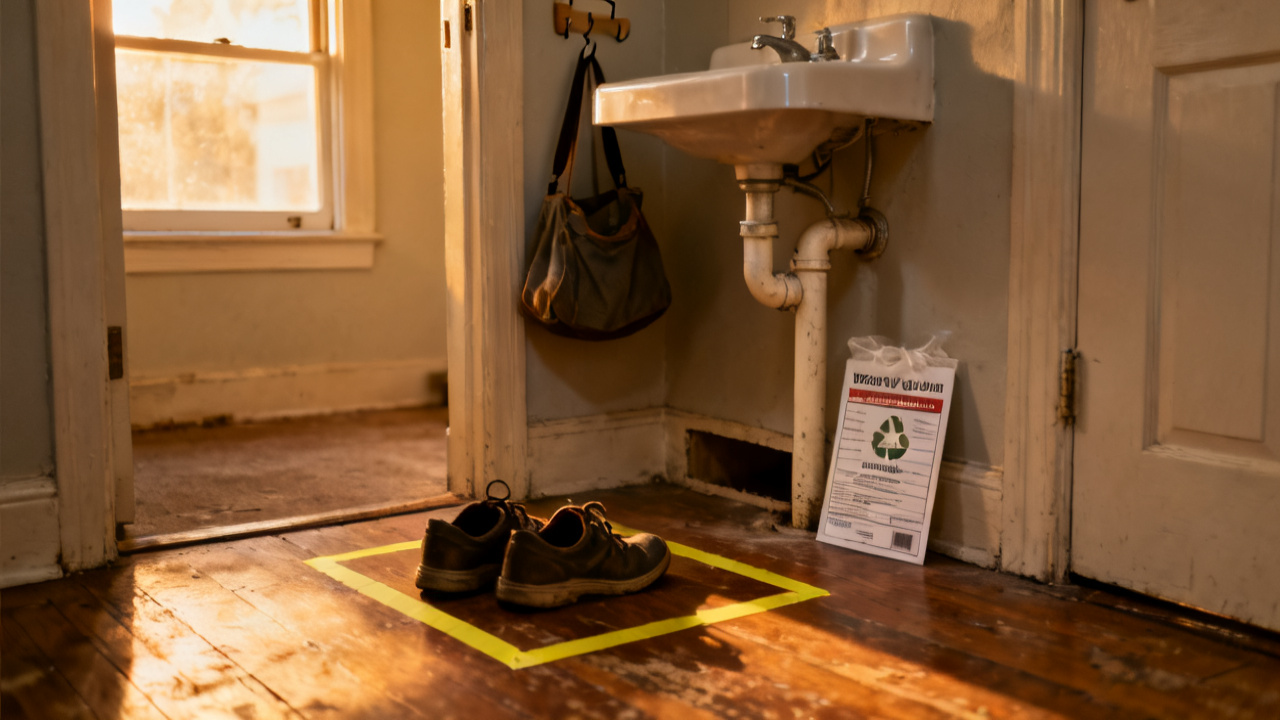
The landing bag is from three weeks ago, which is why recycling starts to smell like a second trash can. You’re standing by your kitchen pantry, staring at the crumpled, sticky-edged bag slung over the doorknob, its top bulging with soda cans that have started to attract tiny fruit flies whenever you open the door to grab a snack. You’d forgotten it even existed until you knocked a half-empty seltzer can off the counter into it yesterday, and the sloshing sound made you recoil at how long it’s been sitting there.
Measure Your Local Pickup Size Limits First
Most curbside recycling programs have strict unadvertised size limits for loose bags, and if you use a bag that’s too big, collectors will leave it on the curb uncollected, forcing you to drag it back inside where it sits forgotten for weeks at a time. You don’t have to call the public works department to get these details; most post the full list of rules on their website, including maximum bag dimensions, weight limits, and prohibited items, in a 1-click accessible page. Illustrative example: Your local public works department specifies no recycling bag can exceed 28 inches tall and 18 inches wide, with a maximum filled weight of 25 pounds, so a 30-gallon flexible kitchen trash bag hits that limit perfectly without going over. If you use a bag under that size, you never have to worry about your bag being rejected, which eliminates the biggest reason recycling piles up inside your home for weeks on end. You also don’t have to splurge on specialty recycling bins; a simple, durable reusable outer bag that matches those dimensions works far better than rigid plastic bins that take up extra floor space in your small kitchen.
Line the Bag With a Compostable Inner Liner to Cut Odor
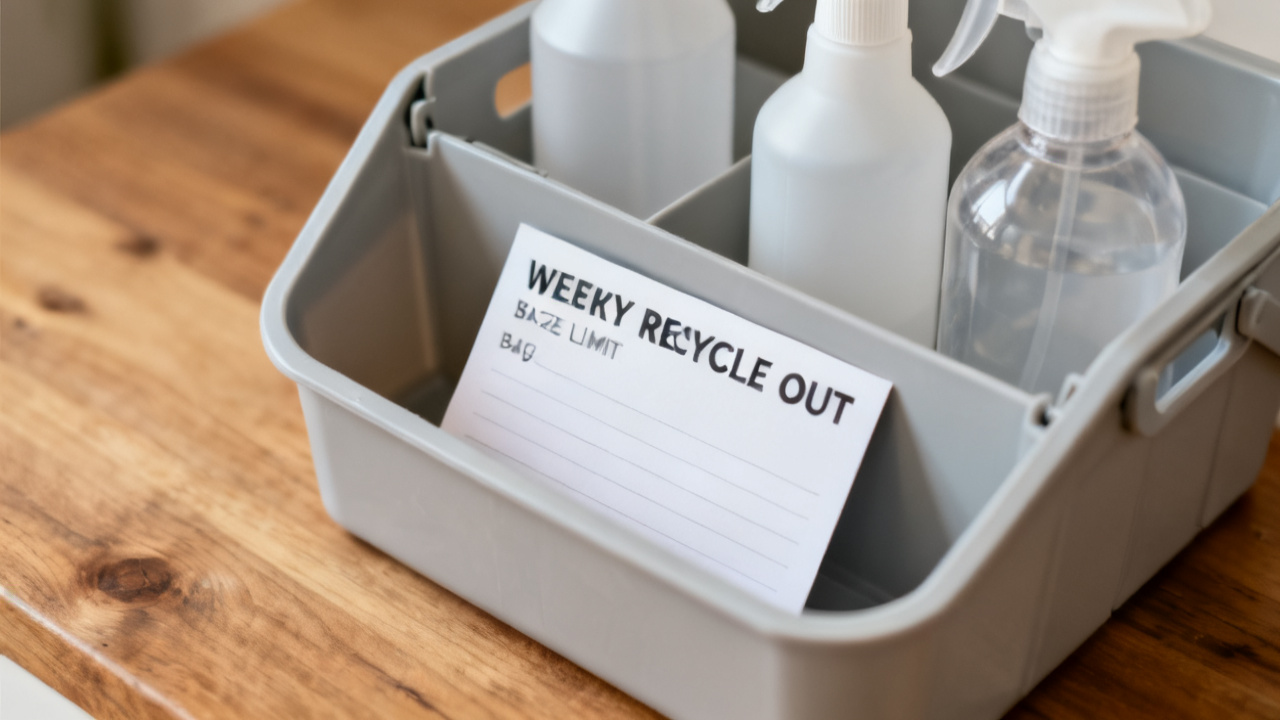
Even if you rinse every can and jar before tossing it in the recycling, small drops of residual soda, pasta sauce, or fruit juice always make their way to the bottom of the bag, where they sit and ferment for a week or more, creating that sour, trash-adjacent smell that makes you avoid touching the bag at all costs. A thin, 13-gallon compostable liner fits perfectly inside the sturdier outer reusable bag, catching all that stray liquid and food residue so the outer bag stays clean and odor-free for months at a time. You don’t need heavy-duty, expensive liners; the thin, affordable ones sold at most grocery stores work perfectly, since they only have to hold dry or mostly dry recyclables, not heavy, wet food trash. If you do end up missing a pickup for any reason, like leaving town for a long weekend or sleeping through the collection truck’s usual route, the liner keeps the mess contained so you don’t have to scrub out the outer bag in your kitchen sink or throw the whole thing away.
Sort Drop-In Items to Avoid Overfilling Mid-Week
The second biggest reason recycling bags get left inside for weeks is that they fill up too fast, bulging at the seams by day 5 of the week so you can’t fit any more items in, and you put off taking it out because you don’t want to deal with spilled cans and loose paper falling out as you carry it to the curb. Taking 2 extra seconds to prep each item before you drop it in the bag cuts down on total volume by up to 75% in most weeks, so you never run out of space before pickup day rolls around. Follow this simple prep guide for the most common household recyclables:
| Item Type | Pre-Drop Prep | Space Saved Per Item |
|---|---|---|
| Aluminum soda, seltzer, and beer cans | Crush completely flat after emptying | 70% |
| Plastic soda, water, and sports drink bottles | Screw cap back on after emptying, then crush flat from top to bottom | 65% |
| Cardboard food boxes (cereal, frozen meal, snack bar) | Remove plastic inner liners, then fold flat along existing creases | 80% |
| Glass food and drink jars | Rinse out loose food residue, remove paper labels if they peel off easily, leave uncrushed | 10% |
That small amount of prep means you can fit twice as many recyclables in the same size bag as you would if you tossed them in whole, so you don’t end up with extra loose bags piling up next to the main one in the days before pickup. You also don’t have to sort items into separate piles for pickup, unless your local program requires it, so all the prepped items can go straight into the same bag without extra work. If you have a small household that only generates a small amount of recycling each week, this prep lets you go two full weeks between emptying the bag without it overflowing or smelling.
Hang the Bag Within Arm’s Reach of Your Trash Can
If your recycling bag is tucked away under the sink, in a closet, or in the garage, you’ll end up tossing recyclables in the regular trash out of convenience, or piling them on the counter next to the sink until they fall over, then stuffing them all into the bag at once when it’s already overfull. The best spot for your bag is on an over-the-door hook on the pantry or cabinet door right next to your regular trash can, so you don’t have to walk more than a single step to toss a recyclable item in the right spot. You can hang it high enough that small kids or pets can’t tip it over and spill its contents across the floor, but low enough that you can reach the opening without stretching or straining when you’re cleaning up after meals. Breathable canvas or mesh outer bags work best for this spot, since they let air circulate through the contents, so any small bits of moisture dry out instead of getting trapped and causing mold or mildew inside the bag. You don’t need any special mounting hardware or expensive storage solutions for this setup; a $2 over-the-door hook works perfectly for most standard cabinet and pantry doors.
Check the Bag First Thing on Recycling Pickup Morning
This is the only recurring weekly task you need to complete to make sure your recycling bag leaves the house every single week, no extra check-ins or mid-week work required. When you wake up on your scheduled pickup day, before you make coffee or check your phone, swing by the kitchen to assess the bag: if it’s at least half full, yank the inner liner out, tie the top tight, and set it by your front door so you don’t forget to carry it out to the curb on your way to get the mail or leave for work. If it’s less than half full, you can leave the liner in for another week, just give the top of the bag a quick sniff to make sure there’s no rotting food residue that’s going to smell before the next pickup. QuickSpace Living tested dozens of bag sizes and materials to find that breathable canvas outer bags hold up to 2 years of weekly use without tearing, if you’re in the market for a replacement for your current crumpled plastic one. You’ll still have the occasional stray can roll under the counter or a pizza box left out on the counter overnight, but this setup eliminates the weeks-old, smelly recycling pileup that used to take over your pantry corner, no complicated organization system required. If you do forget to set the bag out one week, you don’t have to stress about a mess building up; the liner and breathable outer bag keep everything contained until the next pickup rolls around.