The front row looks current, and the expired bottle is standing behind it with the date turned in. Most people only grab the first bottle they see when they have a headache, seasonal allergy flare, or minor cut, so they never notice the outdated ibuprofen, antihistamine, or antibiotic ointment lurking a half-inch back. This common hiding spot for expired meds leads to accidental use of ineffective or even unsafe products, plus unnecessary clutter that makes it hard to find what you need fast when you’re unwell. QuickSpace Living’s simple one-shelf system eliminates that problem entirely by removing the back row entirely, so every expiry date is visible at a glance.
Cabinets where expired bottles hide behind new ones
Most over-the-counter medicine cabinets have 2 to 3 deep shelves, which encourage stacking and back-row storage that hides dates from view. Anyone who has cleaned out a medicine cabinet after several years has likely found half-used bottles of cold medicine from 5 years prior, expired sunscreen, and prescription pills for an illness you recovered from years ago, all tucked behind newer purchases that block them from view. Even people who make a habit of checking expiry dates rarely pull every single bottle out of the cabinet to inspect dates, especially when they’re already sick or in a hurry. The deep, multi-shelf design of standard medicine cabinets is functionally designed to hide old products, because it rewards shoving new purchases into any available empty space rather than arranging items for visibility.
One shelf, dates facing out, extras in a bin
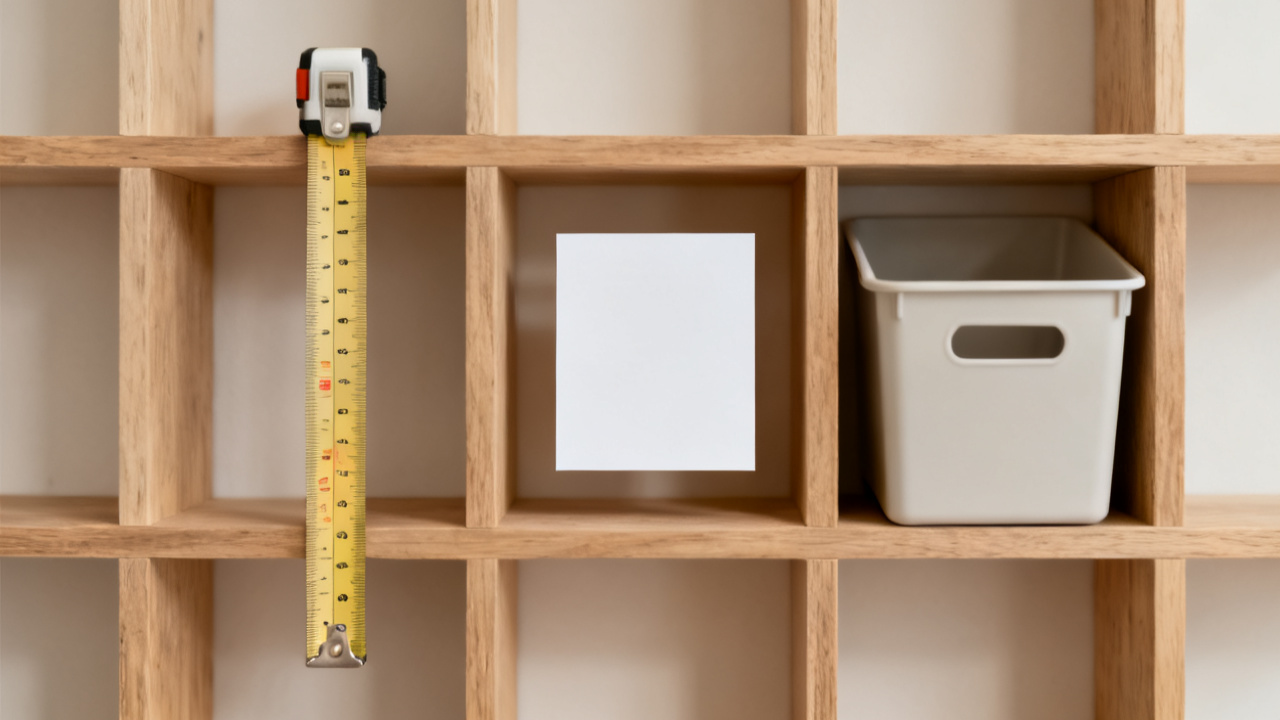
The core of this system is limiting your active medicine storage to a single, shallow shelf, with no back row allowed. All bottles are placed in a single line, with the printed expiry date facing directly toward the cabinet door, so you can see every date without moving a single item. Any extra refills, backup packs, or seasonal meds you don’t use on a regular basis go in a labeled lidded bin under your sink or in a linen closet, not on the active shelf, to avoid overcrowding. The free one-shelf medicine cabinet expiry card below can be printed, filled out, and taped to the inside of your cabinet door to track every item on the shelf at a glance, no bottle-pulling required:
| Medication Name | Printed Expiry Date | Last Restock Date | Quick Use Note |
|---|---|---|---|
| Adult ibuprofen | 2 every 6 hrs | ||
| Children’s acetaminophen | Dose by weight | ||
| Oral antihistamine | For allergy flares only | ||
| Antibiotic ointment | For minor cuts only | ||
| Hydrocortisone cream | For rashes, no face use | ||
| Oral decongestant | Do not take before bed | ||
| Throat lozenges | For sore throat, max 6 per day |
You can add or remove lines from the card to match your household’s specific needs, whether you keep motion sickness pills for weekend trips, allergy eye drops, or stomach relief for indigestion. The only rule is that every item on the shelf has a corresponding line on the card, so you never have to guess how old a product is or what its dosing instructions are when you’re unwell.
Travel kits that sneak duplicates back in
Travel-sized meds are one of the most common sources of hidden expired products in medicine cabinets, because most people dump the unused contents of their travel toiletry bag directly into the cabinet when they get home from a trip. These small, often unlabeled or poorly labeled packs of pain relievers, antacids, and bandages push existing full-sized bottles out of view, creating a cluttered mess where dates are impossible to see. Travel-sized meds also often have shorter expiry dates than full-sized products, so they can go bad months before you notice they’re even there. The rule for travel kit leftovers is simple: any unused meds go straight to the under-sink extra bin, not the active shelf, unless the active shelf is completely out of that specific product. If you do add a travel-sized item to the active shelf, update your expiry card immediately with its date and use note to avoid confusion later.
A quarterly expiry pass with a trash bag ready
Even with dates facing out and a tracking card, a regular check-in ensures you don’t miss products that are nearing expiry before you need to use them. Example timing: 10 minutes every 3 months, aligned with the start of each season, so you don’t forget to schedule the check. The process is simple: grab a sealed trash bag, pull every item off the active shelf, cross-reference the printed expiry date on the bottle with the date listed on your expiry card, and toss anything that is expired or within 30 days of expiring, so you don’t accidentally use a nearly expired product when you’re sick. After tossing old items, restock the active shelf with replacements from your extra bin if you have them, update the expiry card with new dates, and wipe down the shelf before replacing items in a single line with dates facing out. During this pass, you can also take 2 extra minutes to sort through your extra bin and toss any expired backups, so you don’t restock a bad product later. If you have kids or pets in the home, seal the trash bag with expired meds tightly and dispose of it in a secure outdoor trash can immediately, or drop off old pills at a local pharmacy take-back program if one is available near you.
Prescription advice this shelf cannot give
This organizing system is only designed for tracking over-the-counter medication expiry dates and reducing clutter, and it does not replace guidance from your doctor or pharmacist. Never take expired prescription medications, even if they are listed on your expiry card, and always follow dosing instructions printed on the medication label or given directly to you by your healthcare provider. Do not keep prescription meds on this shared shelf unless they are for regular daily use by a specific member of your household, are clearly labeled with the user’s name, and are stored out of reach of children and pets. This system is also not designed for controlled substances, which should be stored in a secure, locked location separate from general over-the-counter meds to prevent misuse or accidental access by guests or household members who should not have access to them. If you have questions about whether a medication is safe to use, contact your pharmacist immediately, rather than relying solely on the expiry date listed on your card.
The next time you reach for a pain reliever mid-headache and find yourself fumbling through a jumble of old bottles, set aside 15 minutes to clear a single shelf, line up your most used over-the-counter meds with expiry dates facing out, fill out your printable expiry card, and tuck all extra stock in a clearly labeled bin out of the way. You’ll cut down on clutter, eliminate the risk of accidental expired medication use, and find exactly what you need in seconds when you’re feeling under the weather.
QuickSpace Living editors