The juice pitcher hides a leftover box, and nobody remembers which night it was cooked. Half the time, you only find it when you’re restocking groceries and a whiff of moldy pasta hits you mid-shelf rearrange. Per public USDA data, most households throw away 30% of the leftover food they make each month, and the majority of that waste comes from unlabeled, forgotten items tucked in hard-to-see fridge corners. A simple, reusable fridge-door inventory card cuts that waste drastically without fancy containers or complicated tracking apps.
Leftovers that hide behind the juice until they smell
Refrigerator design often creates unintended blind spots, and the gap behind tall, frequently moved items like juice cartons, milk jugs, 2-liter soda bottles, and bulk salad dressing containers is the most common spot for leftovers to go missing. After a busy weeknight dinner, most people tuck small glass or takeout containers into the first available empty spot, which is almost always behind one of these tall items, without a second thought. Unless you intentionally move every tall item on the shelf to check for hidden containers, you won’t see those leftovers until they start to emit an obvious odor. Example timing: Most people only move every item in their fridge once every 10 days during a deep clean, which is long enough for cooked rice, roasted veggies, and stir-fry to spoil, and for mold to develop on soft cheeses, cut fruit, and cooked proteins. Even the most diligent labelers can’t benefit from a container sticker if they never see the container itself, which is why a tracking system that lives outside the fridge’s hidden corners is far more reliable.
Eat-by lines you stick on the fridge door
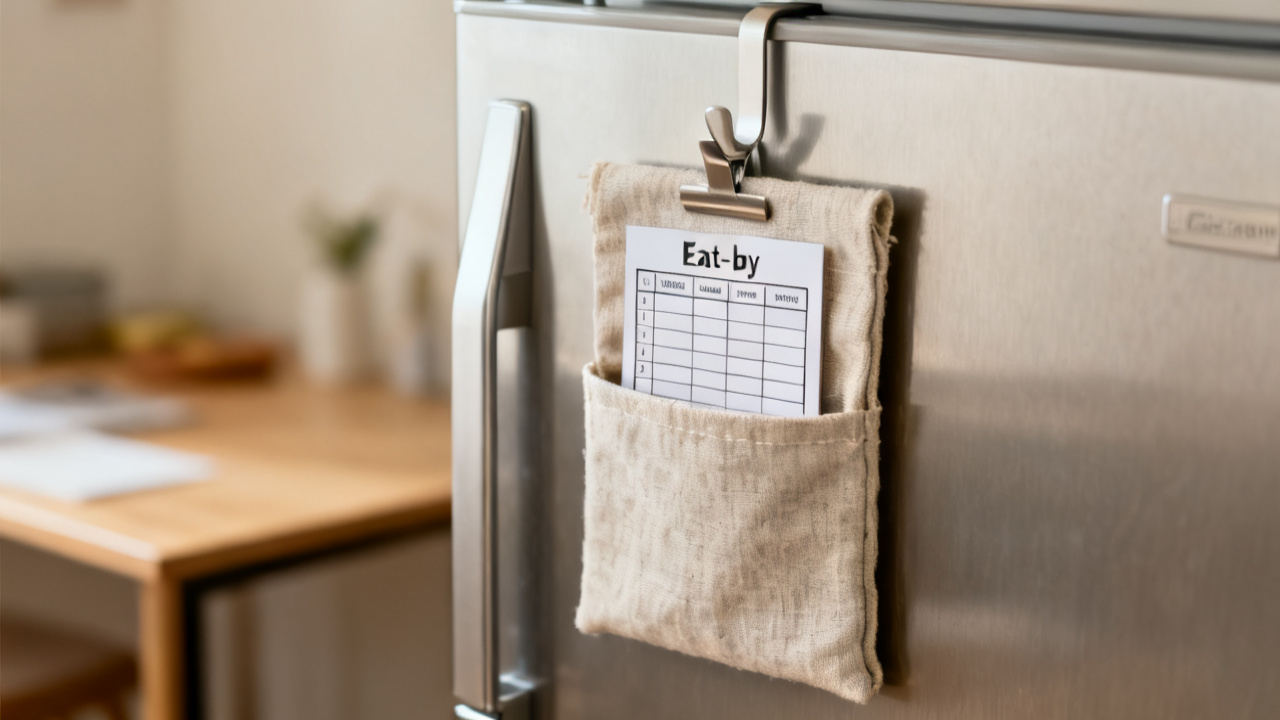
The core of this system is a single, reusable inventory card taped or stuck to the outside of your fridge at eye level, so every member of the household sees it multiple times a day. The card includes designated columns for the leftover item, the date it was stored, and a non-negotiable eat-by date, so there’s never any guesswork about whether something is safe to eat. You can print this card on regular paper and slip it into a clear adhesive pocket, or laminate it to use with dry-erase markers so you can wipe it clean each week instead of wasting paper. QuickSpace Living’s organizing team recommends placing the card next to your fridge’s water or ice dispenser if you have one, as that’s the spot most people visit at least three times a day for drinks. Below is the exact template to use:
Reusable Fridge-Door Inventory Card
| Item Description | Date Stored | Official Eat-By Date | Initials of Person Claiming the Item (optional) |
|---|---|---|---|
| (e.g. garlic butter shrimp, tomato pasta sauce, cut watermelon) | MM/DD | MM/DD | Use first initials for all household members |
*Food safety note: Use standard FDA guidelines for eat-by dates: 3-4 days for all cooked leftovers, 1-2 days for cut fruit, raw fish, or raw marinated meat, 7 days for pickled items, hard cheese chunks, or opened jarred sauces*
The eat-by date column eliminates the common household debate about whether a 5-day-old leftover is “probably still good” — if the date has passed, you throw it out immediately, no sniff test required. The optional initials column helps cut down on arguments about who gets the last slice of leftover pizza or the last serving of soup, as people can claim items when they store them or when they see something they want for lunch the next day.
Containers with no date that become waste
Most household leftover waste comes from unlabeled containers, even when people have good intentions about tracking their food. Many people reuse takeout containers, glass pickle jars, or bulk food storage bins that don’t have space for labels, or the labels they do add smudge from condensation, fall off in the fridge’s cold air, or get washed off when the container is rinsed. Even if you think you’ll remember when you stored a container of soup or roasted veggies, if two members of the household cook on back-to-back nights, you can easily mix up a container from Tuesday with one from Saturday, leading to accidental food waste or foodborne illness. Example timing: It takes 7 seconds to write a 2-word item description, the date, and the eat-by date on the inventory card, which is faster than digging out masking tape and a permanent marker to label every single container after dinner. If you split one batch of leftovers into multiple containers for packed lunches, you only need to add the item to the card once, instead of labeling each individual container, which saves even more time. This system is especially useful for households with roommates, where multiple people store food and no one keeps track of what other people have added to the fridge each week.
A Sunday two-minute rewrite of the card
To keep the system running smoothly, set a weekly 2-minute reminder to update the card, ideally on Sunday before you do your weekly grocery shop or meal prep. First, cross off all items on the card that have already been eaten or thrown out, so you don’t have outdated entries cluttering up the card. Next, do a quick 30-second scan of your fridge to make sure there are no unlisted leftover containers hidden in the back — if you find any, add them to the card if you know their storage date, or throw them out immediately if you don’t. Finally, cross-reference the remaining items on the card with your meal plan for the next three days, and add any soon-to-expire leftovers to your meal schedule so they get eaten before their eat-by date passes. Example timing: This weekly check takes exactly 2 minutes for a 4-person household, as long as everyone in the home has followed the rule of adding items to the card when they put them in the fridge and crossing them off when they take them out. Tying this check to an existing weekly habit, like folding laundry or unpacking your grocery order, makes it far more likely you’ll stick to it long-term.
Commercial kitchens this card cannot inspect
This inventory card system is designed exclusively for home use, and is not a replacement for formal food safety protocols required for commercial food service operations. If you run a restaurant, cafe, catering business, or even a small home baking business that sells food to the public, you will need to follow your local health department’s strict guidelines for temperature tracking, first-in-first-out rotation, and individual container labeling, which this card does not support. This system also is not designed to track unopened raw meat, dairy, or packaged goods, which come with printed expiration dates on their original packaging that are far more accurate than a handwritten date on an inventory card. This card is only intended to track cooked leftovers, cut produce, and opened jarred or packaged goods that are moved to unmarked reusable storage containers after opening.
If you don’t have a laminated sheet or adhesive pocket for your inventory card right now, you can use a piece of scrap paper taped to the fridge for the first week, then upgrade to a reusable version once you see how much less leftover waste you generate.
QuickSpace Living editors