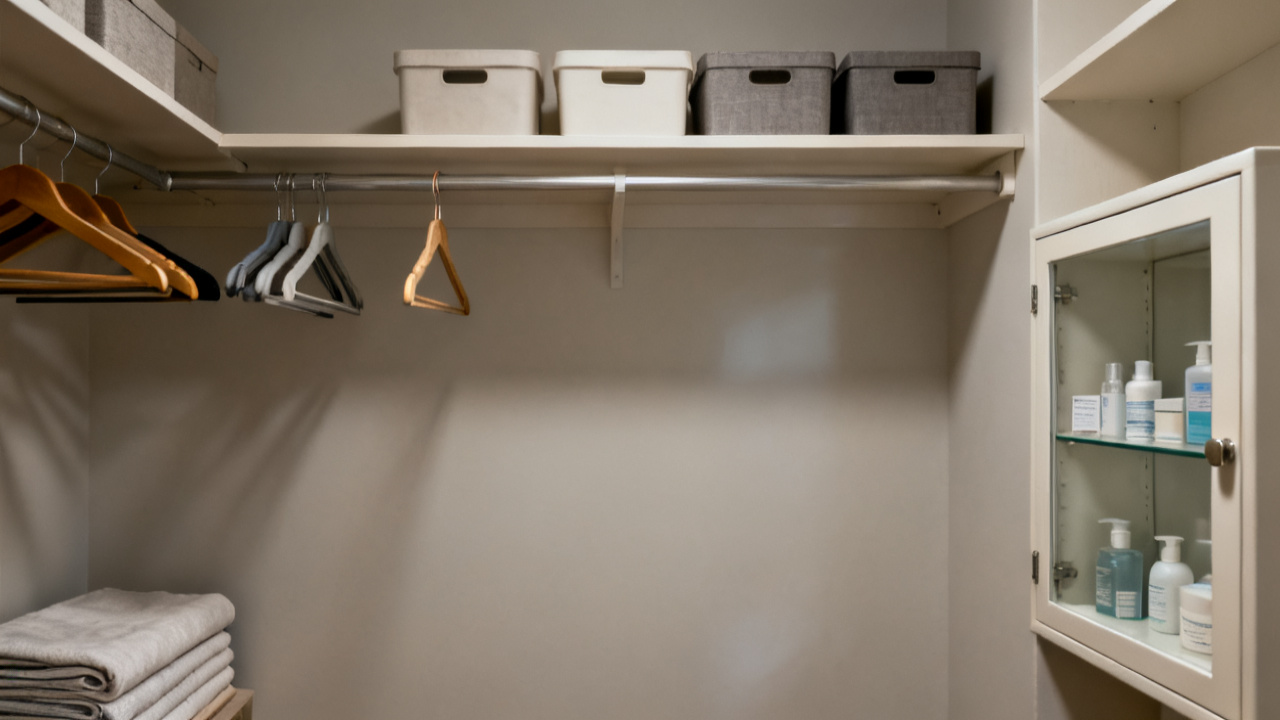
The front row looks current, and the expired bottle is standing behind it with the date turned in. You’re standing on the cool bathroom tile, mid-evening, having just popped open the mirrored cabinet door to grab pain reliever for the dull headache that settled behind your eyes while you were stir-frying veggies for dinner. Your fingers hover over the unexpired ibuprofen bottle first, but your eye catches the crinkled edge of the allergy med label you haven’t touched since last spring, half-hidden behind the cherry-flavored cough syrup you bought for a head cold three months ago. You hadn’t noticed it was there before, and a quick tug pulls it forward far enough to see the expiry date printed on the bottom edge is six months past.
What you see right now
You’re staring at a single, 18-inch wide metal shelf tucked behind the mirrored medicine cabinet you installed yourself six months after moving into your 500-square foot apartment, a deliberate choice to avoid the cluttered, multi-tiered cabinets that make it impossible to find what you need when you’re half-asleep with a fever. Every item on the shelf falls into one of two loose rows: the front row is all the high-use items you reach for at least once a month – standard dose ibuprofen, extra strength antacid for the times you eat too much spicy takeout, non-drowsy allergy pills, a small tube of antibiotic ointment for the random kitchen cuts you get when you’re chopping garlic too fast. The back row holds the low-use items you only grab when you’re sick or injured: menthol cough syrup, nasal decongestant, hydrocortisone cream for poison ivy rashes, that leftover sample of antibiotic ointment your doctor gave you after you scraped your knee on a hike last summer. Right now, 8 of the 12 total items on the shelf have their expiry dates turned toward the back of the cabinet, where you can’t see them without pulling every bottle out to check. Illustrative example: 3 of those hidden items expired more than 12 months ago, including the hydrocortisone that stopped being effective right before your last camping trip, when you got a heat rash and slathered it on for 2 days before realizing it wasn’t doing anything to soothe the itch. You also spot a half-empty bottle of children’s pain reliever you bought for your niece’s visit last year, tucked so far back you forgot it was even there, its expiry date 8 months past.
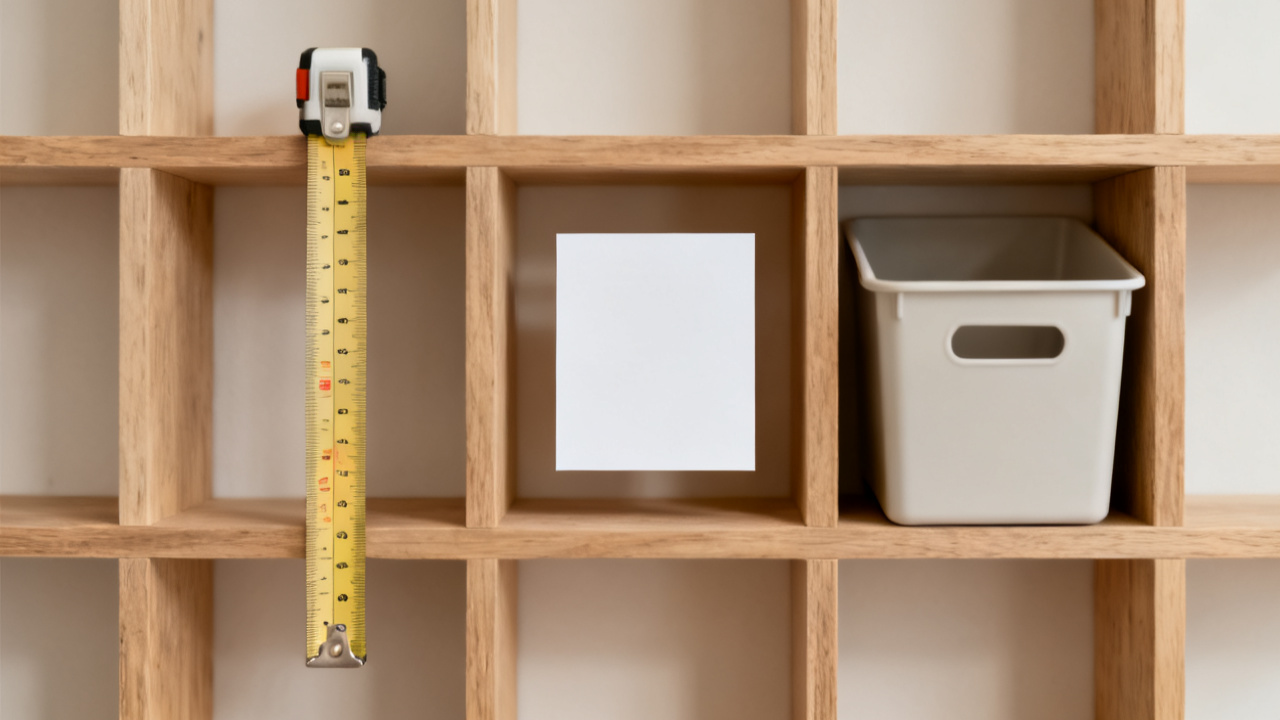
The 60-second re-sort move you make now
This quick re-sort takes less time than the herbal tea you set to steep on the kitchen counter before you came in to grab pain reliever, so you don’t have to pause your evening routine or carve out time for a full deep clean to get it done. It follows the low-lift, small-space storage principles from QuickSpace Living, so you don’t need any fancy organizers or special supplies to pull it off, just the trash can you already keep under your sink. Follow these four simple steps to get every expiry date facing out in seconds:
- Pull every single item off the shelf in one quick pile, setting it on the closed toilet seat right next to you so nothing falls on the tile floor. Toss any empty bottles or crumpled, half-used tube packaging immediately into the small trash can under your sink while you’re at it, to cut down on clutter before you start sorting.
- Flip every remaining item so its printed expiry date faces directly toward you, even if you know the date is still months or years away. Toss any item that is already past its printed expiry date into the trash, no second guessing – expired oral medications lose potency over time, and topical creams can separate so they don’t deliver the consistent relief you expect from them.
- Arrange all the items you’re keeping back on the shelf in a single row first, with the items you reach for most often right in the center where they’re easiest to grab when you’re half-asleep or in a hurry. If you have extra items that don’t fit in the single front row, tuck the least frequently used ones directly behind their front-row counterparts, making sure their expiry dates are still fully visible peeking out above or to the side of the front item so you don’t have to move anything to read them later.
- Run your finger along the edge of the shelf one time to double-check that you can read every expiry date without moving any items first, to make sure you didn’t accidentally tuck a date out of sight when you were arranging the back row. If you spot a date that’s partially hidden, just shift the item a half inch to the left or right until the full date is visible, no extra work required.
When you’re done, you grab the ibuprofen you came for in the first place, popping two tablets with a sip of water from the faucet before you close the cabinet door. The entire process took you 57 seconds, by your count, and you didn’t have to rearrange any other part of your bathroom to make it work.
When you repeat this check next
You don’t have to check the shelf every week, or even every month, to keep all the expiry dates visible and up to date, and you don’t have to set a complicated reminder on your phone to remember to do it again. The next time you do this check is exactly 90 days from now, either when you reach for the cabinet to grab allergy meds at the start of spring pollen season, or when you finish off the last of the ibuprofen and go to replace the bottle – whatever comes first. Tying the check to an existing routine you already follow means you don’t have to add a new task to your to-do list, and it only takes a few extra seconds when you’re already interacting with the cabinet anyway. When you do this check next, you’ll already have all the dates facing out, so you won’t have to pull every item off the shelf to sort through them again – you can just scan the dates in 10 seconds flat, toss any that are expired, and add any new items you’ve bought in the interim with their dates facing out immediately, no full re-sort required. You might still end up tucking a new bottle of cough syrup behind the front row when you’re sick and in a hurry, or shoving a tube of sunburn relief gel into the back after a beach trip, but this quick check makes it easy to fix that the next time you’re standing in front of the cabinet with 30 seconds to spare. You don’t have to keep the cabinet perfectly organized all the time, and you don’t have to worry about hidden expired items slipping through the cracks anymore, because every date is right in front of you every time you open the door. If you add a new prescription medication to the shelf in the next 90 days, just flip it so its expiry date faces out as soon as you bring it home, and it will fit right into the system without any extra work. When you walk away from the cabinet now, you know the next time you need to grab a medication for a headache, a cold, or a random scrape, you won’t end up reaching for an expired bottle that doesn’t work, because you can see every date at a glance.