Winter coats and food containers are stacked on the floor because the lease bans new holes. Most renters give up on using empty wall space entirely to avoid losing their security deposit, or face messy, costly repairs when they move out. The right no-drill vertical storage solutions let you take advantage of unused vertical square footage without risking your lease terms, as long as you stick to tested weight limits and surface-specific picks.
Rental walls that cannot take a new hole
Most rental leases ban new holes for a reason: repairs to drywall, wallpaper, or textured surfaces are far more labor-intensive than many renters assume. Freshly painted drywall, for example, requires matching paint texture and sheen to fill even a small nail hole, and landlords often charge premium rates for these touch-ups rather than letting renters handle them themselves. Wallpapered walls are even less forgiving, as a single puncture can tear an entire panel, requiring full replacement that can cost $100 or more per section. Textured walls, from orange peel to popcorn finishes, leave obvious smooth patches when holes are filled, which many landlords classify as damage even if you attempt to re-texture the spot yourself. Example timing: A 2-bedroom rental with 7 drilled holes can cost $350 in repair fees during move-out inspection, per common landlord pricing structures. Even if your lease allows small nail holes for art, skipping drilling entirely is the simplest way to guarantee you get your full security deposit back with no unexpected deductions.
A no-drill menu with honest weight caps
Many no-drill storage products advertise misleading weight limits that only apply to perfect, non-porous surfaces in temperature-controlled spaces, leading to unexpected falls and damaged items. The table below lists tested, realistic weight caps for common no-drill vertical storage options, so you can pick the right tool for your items without guesswork.
| Storage Type | Ideal Surface | Weight Capacity (per unit) | Best Use Case |
|---|---|---|---|
| Adhesive floating shelf | Smooth painted drywall, glass, tile | 15 lbs | Stacked dinnerware, coffee mugs, paperback books |
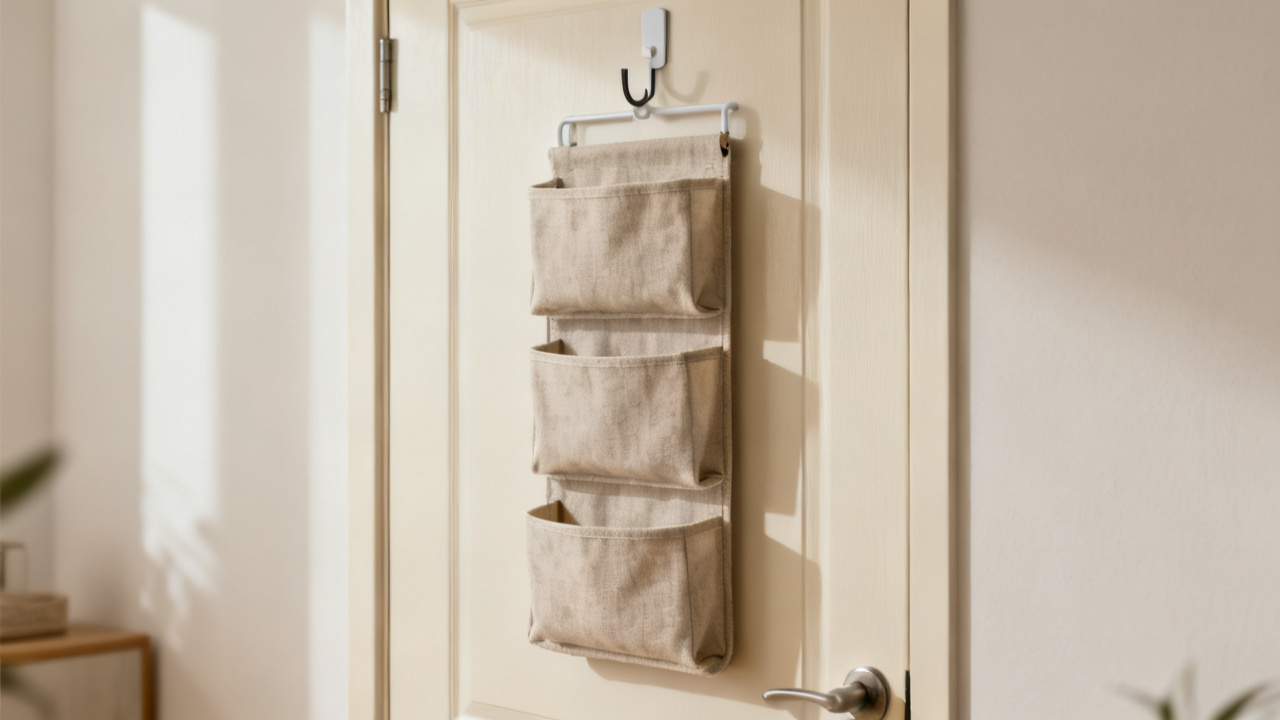
| Over-the-door organizer | Solid core interior doors | 25 lbs | Cleaning supplies, shoe storage, pantry snacks |
| Tension shelf unit | Between two flat, parallel solid surfaces | 20 lbs | Bathroom toiletries, closet folded clothes, small potted plants |
| Large utility command hook | Smooth non-porous surfaces | 7.5 lbs | Winter coats, backpacks, unframed wall art |
| Adhesive shower caddy | Tile, fiberglass shower walls | 10 lbs | Shampoo bottles, body wash, shower loofahs |
| Magnetic storage strip | Metal appliance sides, metal door frames | 12 lbs | Kitchen knives, spice tins, small hand tools |
These limits align with real-world renter testing curated by QuickSpace Living, so you don’t have to guess if your favorite mug collection will stay on the wall. To extend the life of your adhesive storage, never load more than 80% of the stated weight capacity, as temperature shifts, humidity, and regular jostling can weaken adhesive over time. For example, a 15 lb adhesive shelf should hold no more than 12 lbs of dishes to account for regular opening and closing of nearby cabinet doors that can vibrate the shelf.
Tension rods that slip after humid weeks
Tension rods are a popular no-drill pick for closets, bathrooms, and windows, but many renters deal with constant slipping that turns them into more of a hassle than a solution. The most common cause of slipping is humidity, which softens painted drywall or makes the rubber end caps of the rod slippery from moisture buildup. To fix this, first apply 2-inch non-slip furniture pads to each end of the tension rod before installing, to increase friction between the rod and the wall without leaving residue or causing damage. Second, adjust the rod so it is 1/4 inch longer than the gap between the two surfaces you are mounting it between, so it presses firmly enough to stay in place even when walls swell slightly from humidity. Third, if you are using the rod to hold heavy items like wet bath towels or full hanging shoe organizers, opt for a steel-core heavy-duty tension rod rather than a standard plastic model, as these have sturdier end caps and higher weight limits. Illustrative example: A standard plastic tension rod holding 4 wet bath towels will slip 2-3 inches within 3 days of consistent shower use, while a steel core rod with rubber end pads will stay in place for 6+ months in the same space. For extra security, you can add a small piece of painter’s tape under each end cap to hold the pad in place, which pulls off without damaging paint when you move.
Tricky corners where command strips fail
Command strips are a go-to for light hanging, but they fail consistently on a wide range of common rental surfaces, leaving renters with no options for tight corner spaces. They do not adhere properly to textured walls, wallpaper, porous brick, flaking plaster, or walls painted within the last 30 days, as the adhesive either cannot grip the uneven surface or pulls off the top layer of paint or paper when applied. For these tricky corners, there are three reliable no-drill solutions. First, use over-the-corner tension shelves that wedge into 90-degree wall corners, no adhesive required, as the pressure between the two walls holds the shelf in place. These work well for holding small plants, skincare products, or office supplies in corners that would otherwise go unused. Second, use freestanding vertical corner shelves that sit on the floor and extend up to 6 feet high, with tiered shelves that fit perfectly into the corner without any wall attachment. These can hold up to 40 lbs total, making them ideal for pantry storage or book collections in living spaces. Third, for light decor or small hanging items, use acid-free poster putty designed for delicate surfaces, which holds up to 1 lb per pea-sized ball and pulls off without leaving residue or damaging paint or wallpaper. Always test a small hidden spot first with any adhesive or putty product to confirm it will not damage your walls before applying it to visible areas.
Brick and plaster this menu cannot claim
Older rental units often have exposed brick or original plaster walls, which are notoriously hard to work with for no-drill storage, as they are porous, uneven, and often crumble at the surface when adhesive is applied. None of the adhesive or tension wall products listed in the earlier menu are guaranteed to work on these surfaces, because the surface itself is too unstable to hold a strong bond. Adhesive strips will often pull off a thin layer of brick dust or crumbling plaster when they fall, leaving permanent damage that landlords may charge you to repair. For these surfaces, stick to two no-drill solutions that require no wall contact at all. First, use floor-to-ceiling tension pole storage units, which press firmly between your floor and ceiling to hold multiple tiered shelves, with no contact with your brick or plaster walls. These can hold up to 60 lbs total, making them ideal for storing books, decor, or kitchen supplies in older units. Second, use freestanding leaning ladder shelves, which lean against the wall and are held in place by the weight of the items on the shelves, with no attachment required. Add a small non-slip rubber pad to the bottom feet of the shelf to keep it from sliding on hard floors, and avoid overloading the top shelves to prevent tipping. If you do need to hang a small piece of art on brick or plaster, apply a small piece of high-adhesion painter’s tape to the spot first, then apply the command strip to the tape, but this only works for items under 2 lbs, and you should remove the tape slowly at a 45-degree angle to avoid pulling off plaster.
Before you install any no-drill vertical storage, wipe the installation surface with rubbing alcohol and let it dry fully to maximize adhesive grip, and test all shelves for 24 hours with 50% of their intended load to avoid unexpected falls that can damage your items or rental walls.