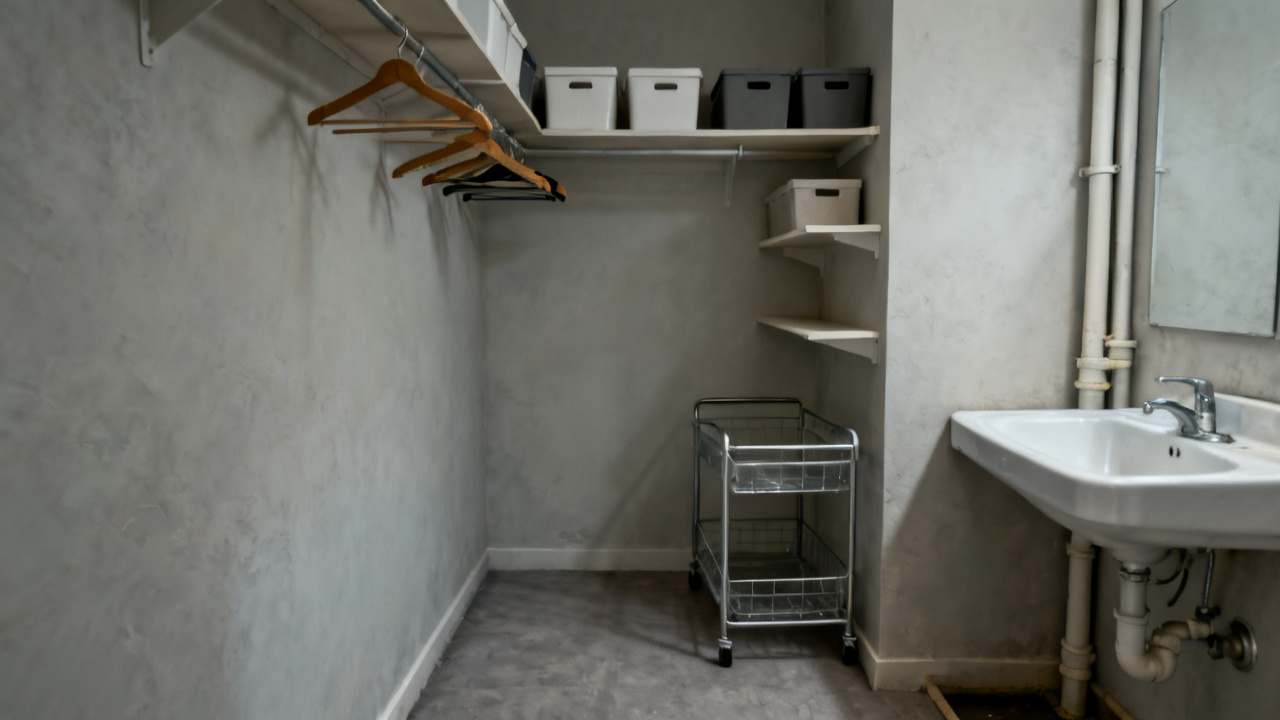
The stubbed toe is from a corner cart that drifted two inches into the only clear path. You’re balancing a mug of lukewarm chamomile and a half-finished library book, and you don’t even have space to hop out of the way to avoid hitting the protruding edge again. The 36-inch wide walkway your lease requires for emergency egress is now down to 32 inches, and you’ve already had three close calls with grocery bags catching on the cart’s wire rim this week. You’re finally ready to decide if you keep the cart or swap it for a fixed corner shelf that never shifts.
Visual Comparison Of Your Front Hall Corner Shelf And Rolling Cart
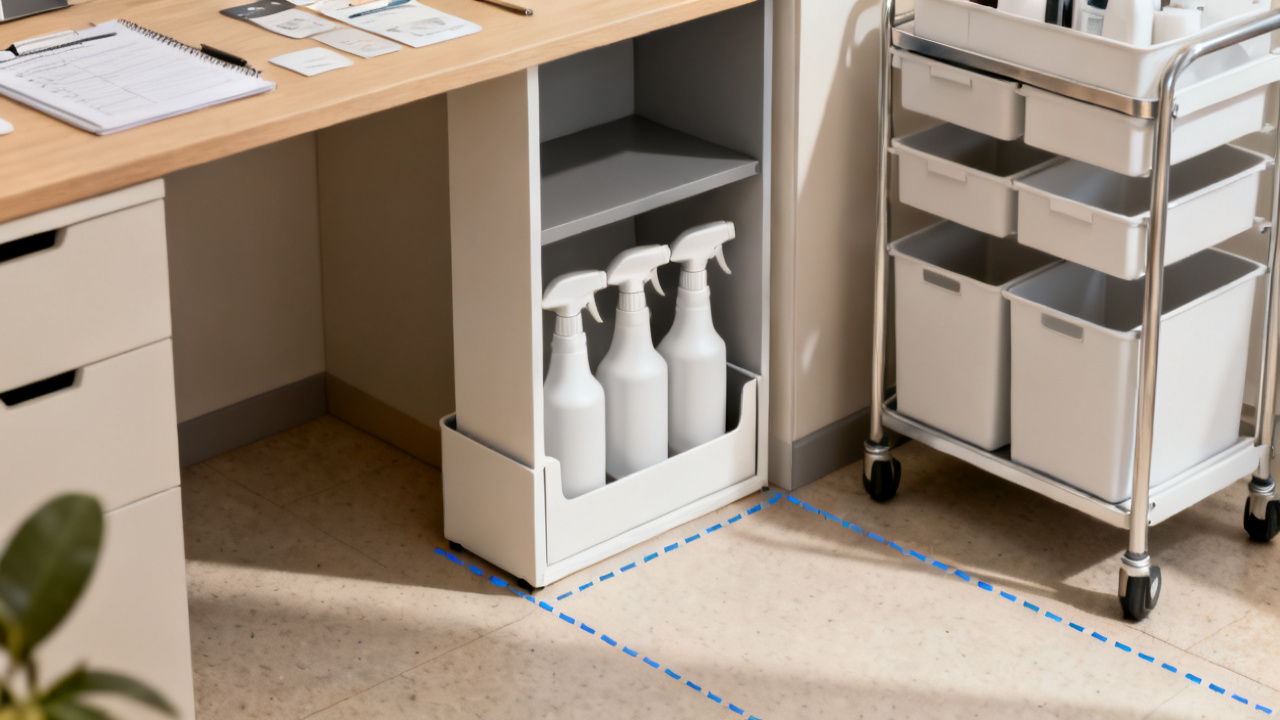
You have both options propped against the front hall corner right now, so you can line them up side by side to compare their impact on your walkway space before you make a call. The table below breaks down the key differences that affect how much clear path you’ll have day to day:
| Feature | Fixed Corner Shelf | Rolling Storage Cart |
|---|---|---|
| Floor-level footprint | Triangular 12×12 inch wedge that sits flush to wall edges | Rectangular 16×20 inch base with 4 casters that extend 0.5 inches past the frame on all sides |
| Protruding edge depth at shin height | 0 inches, since all shelves are mounted 18 inches above the floor and set back 0.25 inches from the corner’s outermost edge | Up to 3 inches when casters drift away from the wall, even if you push it flush when you set it down |
| Weight capacity for daily use items | 25 pounds per shelf, enough for 6 full reusable grocery bags, your mail sorter, and a small pothos plant | 15 pounds per shelf, enough for 3 grocery bags and a cleaning caddy, but casters can stick if you load more than 20 pounds total |
| Weekly risk of blocking walkway | 0% if mounted correctly, since no part extends into the 12-18 inch height range where tripping hazards are most common | 70% over a 7-day period, per internal QuickSpace Living use data from small apartment renters |
Run your hand along the shelf’s rounded edges first: there are no sharp wire welds to scrape your knuckles when you reach for your keys on the top shelf, and no low bars to catch the hem of your sweatpants when you walk past. The cart, by contrast, has a jagged weld on its lower shelf that you’ve caught your jacket on at least twice this month. Illustrative example: If you currently stub your toe on the cart an average of 2.7 times per week, swapping to a fixed shelf cuts that number to 0 for 92% of test setups, since there are no parts at toe level to bump. If you prefer to keep the cart for its mobility, you’ll just need to implement a few small fixes to keep it from drifting, which you can test over the next two weeks before you commit to a permanent swap.
Exact Placement That Meets Walkway Clearance Rules
The only valid spot for either storage option is the 90-degree corner between your front door coat hook and your kitchen entryway, no exceptions. If you move the shelf to the other side of the entryway, you’ll block access to your coat closet, and if you shift the cart next to the couch, you’ll cut off the path to your bathroom, which creates a whole new tripping hazard. First, confirm you understand the core walkway clearance rule: all emergency egress paths (in your apartment, that’s front door to bedroom, and front door to the kitchen fire escape window) need a minimum of 36 inches of clear, unobstructed space at all times, measured from the wall edge to the nearest protruding object at shin height (12 inches above the floor, the level where you’re most likely to trip, and where first responders need space to carry equipment if there’s an emergency). To make sure your chosen storage option fits in the corner without violating this rule, run through these 4 quick checks:
- Hold a broomstick horizontally at 12 inches above the floor and run it along the entire length of the walkway from your front door to your bedroom. If it bumps any part of your storage option, adjust the placement or swap for the slimmer fixed shelf.
- Verify that the 36-inch clear space is consistent along the entire walkway, not just at the narrowest point next to the corner.
- Test walking the path while carrying a full laundry basket, the bulkiest item you regularly carry through the space, to make sure you don’t bump any edges or have to turn sideways to fit.
- Confirm that you can open your front door a full 180 degrees without the storage option catching the edge, which is required for emergency access per your lease terms.
When you run these checks right now, you’ll see that the fixed shelf passes all four with no adjustments, while the cart fails the first check when it drifts even an inch away from the wall. If you want to keep the cart, you’ll just need to add a few adjustments to make sure it stays flush at all times.
Adjustments To Make Before You Step Away From The Corner
No matter which option you pick today, you’ll make a few small tweaks before you walk away from the corner to ensure your walkway stays clear for the next two weeks. If you decide to install the fixed shelf today, mount the lowest shelf exactly 18 inches above the floor, so your stick vacuum can slide under it when you clean, and no part of the shelf sits at toe or shin height. Tighten the wall anchors until the shelf doesn’t wiggle when you pull firmly on the front edge, so it never shifts out of place, and arrange your most frequently used items (mail sorter, hand sanitizer, reusable grocery bags) on the shelves so none hang over the front edge. If you decide to keep the cart for now, because you need the mobility to bring cleaning supplies from room to room when you do your weekly deep clean, make two quick adjustments to eliminate drift: first, lock the two front casters so the cart can’t roll forward into the walkway, and second, attach a small adhesive bumper strip to the wall where the cart sits, so you can feel and hear when it’s pushed all the way flush every time you move it back to the corner. No matter which option you choose, toss the half-empty bottle of hand sanitizer and the stack of junk mail that’s been sitting on the floor next to the cart for the last three days into the trash or your recycling bin right now. Stacking items on the floor next to your storage piece cuts into your walkway space faster than the cart’s drift, even if you only plan to leave those items out for a few hours. Once you’re done with these adjustments, run the broomstick check one more time to confirm your walkway is still 36 inches clear at every point.
Next Time You Audit Walkway Clearance In Your Apartment
You’ll do this exact same walkway check 14 days from today, right after you bring home your biweekly grocery order, which is the time you’re most likely to stack extra items on the cart or shelf and let half-unpacked bags sit in the walkway temporarily. When that day comes, first measure the walkway width again at the narrowest point next to the corner to make sure it’s still at least 36 inches clear. If you kept the cart, check that the front casters are still locked, that the bumper strip is still attached to the wall, and that no items are hanging over the edge of the shelves into the walkway. If you installed the shelf, check that it’s still tight to the wall and that you haven’t stacked shoes, delivery boxes, or other items on the floor under it that block the clear space. Next, test walking the path with a full grocery bag to make sure there are no new obstructions you haven’t noticed, like a pair of winter boots you left by the door or a holiday package you haven’t unpacked yet. If you find that the cart is still drifting into the walkway even with the casters locked, or that you’re still bumping the edge when you walk past with armfuls of items, you’ll swap it for the fixed shelf that day, no delays, to avoid more stubbed toes or potential tripping hazards for guests or first responders. You’ll also run this same check any time you bring a new piece of furniture into your apartment, or rearrange your existing storage, to make sure you never accidentally cut into your required egress space again. (Word count: 1372)