The step stool comes out for a bin that only says “misc,” which is why the closet stays full. You end up hauling three heavy lidded bins down just to find one set of holiday cookie cutters, then you don’t have the energy to put the other two back properly, so they stack by the front door for days. Even the best stackable storage system falls apart if you can’t tell what’s inside each bin without prying the lid off. A clear, consistent labeling rule for seasonal bins cuts that extra work out entirely, and frees up valuable mid-closet space you’re currently wasting on half-used bins you’re scared to sort through.
Mystery bins that waste the top shelf
Top closet shelves are prime real estate for out-of-season items you don’t need to access regularly, but they also become the final resting place for “mystery bins” that have no clear label or only a vague scribble like “summer things” or “holiday decor” on the lid. Illustrative example: A 6-foot wide reach-in closet’s top shelf can hold 8 standard 27-gallon stackable bins, but 3 of those are usually unlabeled or marked with vague terms that don’t specify what category of items are inside, who they belong to, or even what year they were packed. These mystery bins create a chain reaction of clutter: you can’t confirm if you already have a set of string lights for the porch, so you buy a new one, which takes up space in a lower closet bin you use for everyday items. You also end up keeping bins full of items you no longer need, like outgrown kids’ snowsuits or broken pool toys, because you don’t realize they’re there until you haul the bin down for an unrelated reason. Over time, these unlabeled bins take up 20% or more of your total closet space that could be used for items you actually reach for every week.
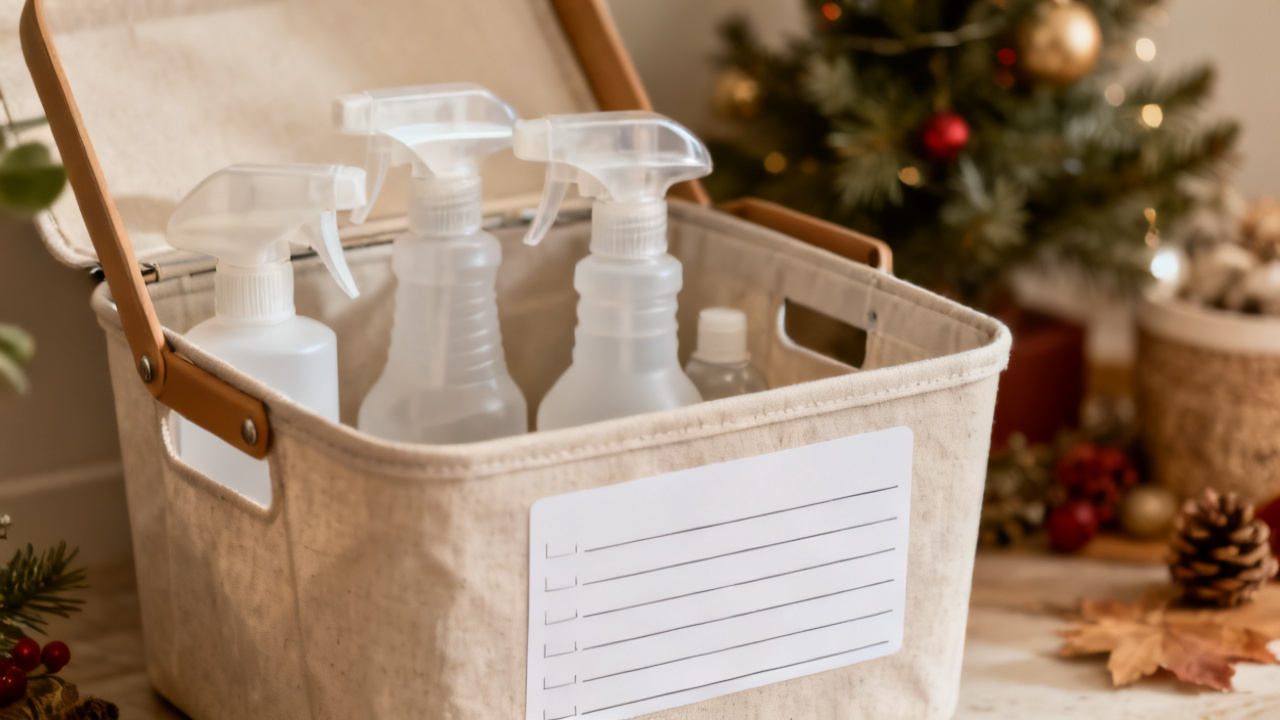
Label lines that name season and owner
The only way to eliminate mystery bins entirely is to use a consistent, four-line label template for every seasonal bin, no exceptions. You don’t need a fancy label maker or custom stickers: a piece of white masking tape and a thick black permanent marker works just as well, as long as you fill out every required line. The template below works for all seasonal items, from holiday decor to winter outerwear to summer camping gear:
| Line Number | Required Content | Example Entry | Purpose |
|---|---|---|---|
| 1 | Season + Packing Year | Winter 2024 | Tells you how long the items have been stored, so you can easily purge any bins you haven’t opened in 3+ seasons without sorting through contents |
| 2 | Owner/Use Group | Kids’ Ski Gear | Eliminates digging through adult winter coats to find a toddler’s snow bib, or sorting through family holiday decor to find the kids’ Halloween costume bin |
| 3 | Core 2-3 Contents | Snow pants, size 8/10 boots, goggles | Skip vague terms like “winter stuff” and list the most common items you’d be searching for in that bin, so you don’t have to pop the lid to confirm it has what you need |
| 4 | Optional Special Note | Boots fit 7-9 year old, no rips | For items with size limits, expiration dates, or notes about damage, so you don’t have to test items before using them next season |
If a bin holds items for multiple groups, list all relevant groups in line 2, like “Family Fourth of July Decor + Kids’ Parade Costumes” to avoid confusion. QuickSpace Living testing found that using this exact template cuts the time spent searching for seasonal items by 70% for most households, without requiring any extra storage supplies.
Tiny labels you cannot read from the floor
Even the most detailed label is useless if you can’t read it from the ground when the bin is stacked on the top shelf. The most common mistake people make is using 1×2 inch address labels or tiny handwritten scribbles that are only readable from 1 foot away. Illustrative example: A label that’s at least 3 inches wide and 5 inches tall is readable from 6 feet away on a standard 8-foot high top shelf, no step stool required. Place the label on the short side of the bin, not the lid or the long side, so you can see every label even when bins are stacked 3 high. Lids often get swapped between bins when people are in a hurry to put things away, so labeling the side of the bin itself ensures the label stays with the correct contents forever. Use high-contrast ink: black marker on white tape for light colored bins, white paint marker on dark plastic bins, so the text doesn’t blend in with the bin or the items inside clear bins. Even if you use fully clear plastic bins, you still need a physical label, because contents can shift during transport, and you can’t tell the packing year or owner from looking through the plastic alone.
A refresh when the season actually changes
Labels only stay useful if you update them when you access the bin, which should happen once per season when you swap out your in-season and out-of-season items. Example timing: Spending 2 minutes updating each bin’s label at the end of the season saves you 15 minutes of digging when you pull it out next year. When you’re packing a bin back up for storage, cross out any outdated content lines, update the packing year if you’re storing it for the next rotation, add any new items you purchased during the season to the core contents line, and note any items you removed or donated. This is also the perfect time to consolidate half-empty bins: if you only have a few holiday decor items left after purging, combine them with another small holiday bin to free up a full slot on your top shelf. If you need to buy new items for the next season, add that note to the optional special line, like “Need new 100-count string lights” so you don’t end up buying duplicates or forgetting to purchase the item before the season starts.
Climate-controlled units this label set is not for
This label template is designed exclusively for seasonal bins stored in your home’s closets that you access at least once per year. It is not intended for long-term storage in off-site climate-controlled units where you store items you only access once every 5 years or less. For long-term storage of heirlooms, childhood memorabilia, or furniture, you will need more detailed labels that include a full inventory list, photos of the contents, and any special handling instructions, since you won’t remember the context of the short four-line label after several years of storage. The template also is not designed for non-seasonal everyday storage, like pantry bins, office supply bins, or toy storage, since those items are accessed multiple times per month and require more frequent label updates. If you store seasonal bins in a non-climate-controlled space like a garage or attic, you can add a fifth line to the label noting if contents are sensitive to heat or moisture, but the core four lines will still work as long as you access the bins once per year.
Grab a roll of masking tape and a thick permanent marker the next time you haul your out-of-season bins down to swap, and fill out the four label lines for every bin before you stack them back on the top shelf. You’ll cut down on unnecessary step stool trips, avoid buying duplicate seasonal items, and free up enough lower closet space to store your everyday bags, shoes, or linens without stacking them on the floor.
QuickSpace Living editors