Get Your Home Guest-Ready in 15 Minutes: Visible Zones Only

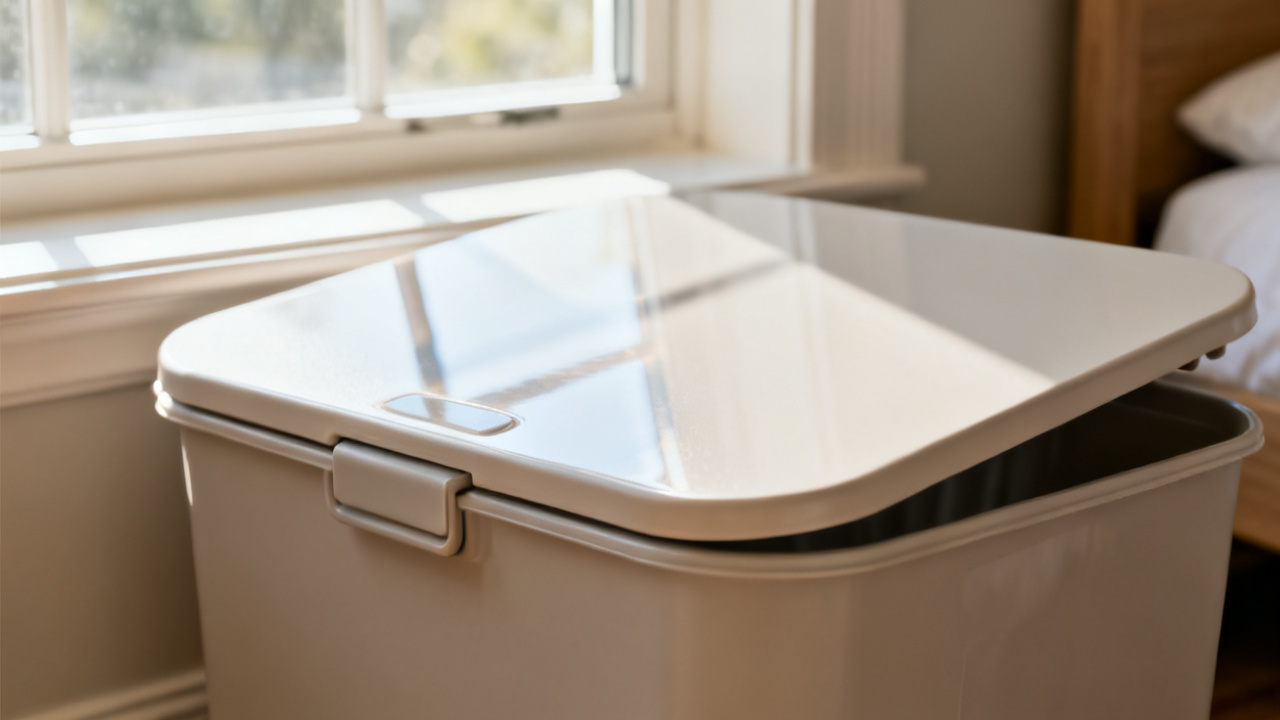
15-minute guest-ready reset map

Household Routines and Checklists

You’ve got two choices when you get a last-minute text that guests are 15 minutes away. Option one: Scramble to scrub the inside of your pantry, fold back bedroom laundry, and sort items under your bathroom sink, only to be out of breath and stressed when the doorbell rings. Option two: Spend those same 15 minutes only touching the high-visibility zones every guest will actually interact with, so you’re calm and ready to enjoy their visit. This guide breaks down the exact zone priority order, a simple clutter basket routine that cuts your tidy time in half, and small adjustments for studio apartments or large family homes to make the reset work for your space. Any standard 1.5 bushel laundry basket you already own works perfectly, no fancy supplies required. Option A: Scrub every hidden nook of your home before guests arrive, running ragged until the second they knock, too winded to enjoy the first 10 minutes of the visit. Option B: Do a targeted 15-minute tidy that only touches the spaces guests will actually see, so you’re calm, present, and ready to host the second your doorbell rings.

Core Principles

When you’re working with a 15-minute window to prep for guests, the core rule is to prioritize hosting a simple, relaxed gathering over a perfectly polished one that leaves you frazzled before anyone even knocks. I’ve wasted too many last-minute minutes scrubbing the inside of my pantry that no guest would ever open, only to be out of breath and harried when I answered the door. You don’t need to fix every tiny flaw in your home to make it feel welcoming.

Visible Guest Zone Priority Order

The biggest mistake people make with last-minute tidying is sinking time into areas no guest will ever interact with. Rearranging closet shelves, folding laundry in a back bedroom, or wiping down inside kitchen cabinets doesn’t move the needle on how welcoming your home feels, but it eats up huge chunks of your limited time.

  • Entryway (including the front step if guests will walk up to it)
  • Powder room or shared bathroom guests will use (only wipe visible surfaces, skip sorting items under the sink or inside medicine cabinets)
  • Main room where you’ll spend time together (couch area, dining table, or back patio if you’re hosting outside) If you still have loose clutter scattered across these zones when you’re 2 minutes out from your guest’s arrival, toss every stray item into a single lidded basket and stow it in a closed closet or garage. You can sort it all once guests leave, no need to put every single thing back in its proper spot mid-blitz.

15-Minute Step-by-Step Reset Routine

Pre-Routine Preparation

Grab one empty, medium-sized standard laundry basket (1.5 bushel capacity works perfectly) and set a 15-minute timer before you do anything else. I’ve found stopping to gather five different cleaning products and multiple sorting bins eats up 2+ minutes of your limited window, so stick to just a single pack of all-purpose wipes and a travel-sized air freshener to start. You don’t need supplies for every room—you’ll only be touching high-visibility zones anyway.

Timed Phase Breakdown (with clutter basket integration)

The biggest mistake people make with last-minute tidying is stopping to put every stray item in its proper home mid-pass. That wastes time running back and forth to rooms guests will never enter, and you’ll rarely finish in 15 minutes. Instead, any item that doesn’t belong in the zone you’re working on goes straight into the basket, no detours. You can sort its contents after guests leave. Stick to this timed sequence to maximize visible impact:

  • First 5 minutes: Tackle the entryway and guest bathroom first, the two spaces every guest will see immediately. Wipe down the bathroom mirror, toilet seat, and counter, give the toilet a quick flush, and spritz a tiny amount of air freshener. In the entryway, pile loose shoes in a closed closet or the basket, hang stray coats on hooks, and wipe down the entry table.
  • Next 7 minutes: Move to the main shared room you’ll use to host guests, whether that’s a living room, dining area, or open-concept kitchen. Wipe down shiny surfaces that show smudges easily: TV stands, coffee tables, kitchen counter edges, and dining table tops. Toss all stray toys, paperwork, dishes, and loose clothing straight into the basket.
  • Last 3 minutes: Stash the full clutter basket out of guest view, double check that the entryway and bathroom are clear, and go greet your guests.

Size-Specific Adjustments

Tweak this routine to match your home’s layout and storage constraints to avoid unnecessary work.

Small Apartment Adjustments

If you live in a studio or 1-bedroom apartment with limited extra storage, you don’t need a dedicated closet to hide the clutter basket. Tuck it behind a floor-length curtain, under a bed frame with 6+ inches of clearance, or even on the floor of your closed bedroom closet. Since your entryway is likely right next to your main living space, you can cut the first 5-minute phase down to 3 minutes to spend extra time wiping down kitchen counters that are visible from your seating area.

Large Family Home Adjustments

For homes with 3+ bedrooms and multiple common areas, you only need to focus on the entryway, guest bathroom, and the single room you’ll be hosting in. Shut the doors to all playrooms, home offices, and unused bedrooms entirely—you don’t need to tidy those at all. If other family members are home to help, assign one person to the entryway and bathroom, and another to the main hosting space, so you can wrap the whole reset even faster. Stash the clutter basket on the top shelf of your front-entry coat closet to skip carrying it all the way to a back storage area.

Clutter Basket Routine

In-Reset Implementation

You don’t need to stow every stray item in its proper home mid-reset, that’s the fastest way to burn through your 15 minute window before guests arrive. Keep your basket in a high-traffic drop spot when you’re not using it, like right next to your entryway console or living room sectional. As you do your quick pass of visible zones, scoop all out-of-place items straight into the basket, no sorting allowed. I’ve found that skipping mid-reset sorting cuts my tidy time almost in half, since I’m not stopping to track down the right shelf for a kid’s toy or unopened junk mail.

Temporary Out-of-Sight Stowage Solutions

The biggest mistake people make here is hiding the basket in a space guests are likely to access, like the front hall coat closet or guest bathroom under-sink cabinet. If a guest asks for a coat hanger or extra hand soap, you don’t want your clutter spilling out when you open the door. Stick to stowing spots that are totally off-limits to casual visitors: the top shelf of your master bedroom closet, behind your closed laundry room door, or under your master bed if you have at least 13 inches of clearance to fit a standard basket.

Post-Guest Clutter Processing

You don’t have to tackle the basket the second your guests leave, but don’t let it sit unprocessed for more than 24 hours, or it will turn into a permanent catch-all you avoid sorting through.

  • Items that go back to their regular storage spots
  • Trash and recycling
  • Unused or unwanted items to add to your donation bin
  • Things that belong to your guests, to return at your next meeting

Common Implementation Mistakes and Quick Fixes

First, skip any basket that’s not around 12×18 inches. Too small, and it will overflow mid-reset, leaving you with extra clutter to hide last minute. Too large, and you won’t be able to tuck it into a discrete stow spot without rearranging other items. Second, don’t use the basket as an excuse to just move clutter around your home indefinitely. If you notice the same item showing up in your basket for three consecutive guest resets, that’s a clear sign you don’t use it enough to justify keeping it out, so donate it instead of putting it back in its regular spot. Finally, don’t overpack the basket with items you can throw away immediately, like empty food wrappers or junk mail; toss those straight in the trash during your reset to save space for items you actually need to keep.

Standard Quick Tidy Checklist

Non-Negotiable High-Priority Tasks

Most people waste half their 15-minute window sorting stray items into their proper storage spots as they tidy, which pushes you way past your timeline for no visible payoff. I’ve found that skipping that in-the-moment sorting cuts my tidy time in half every time. Grab a 20+ gallon lidded bin or laundry basket first, and only walk through the zones guests will actually use: front entryway, main living area, and shared bathroom. Toss every out-of-place item (kid toys, loose mail, half-empty mugs, discarded hoodies) straight into the bin, no pausing to fold or put anything away. You can stow the full bin in a coat closet or bedroom out of sight once you’re done walking those zones, and sort it after guests leave. Next, do a 90-second wipe of the shared bathroom sink and toilet seat, and swap the hand towel for a clean one only if you can grab it from the counter or top of the linen closet in 10 seconds or less. Don’t dig through back shelves for a "nicer" set of towels. Finally, clear a 3-foot wide walk path in the entryway by moving stacked delivery boxes, loose shoes, and pet gear to the same out-of-sight spot as your clutter bin. Guests don’t need a perfect entryway, just enough space to take off their shoes without tripping.

Optional Welcoming Finishing Touches

If you have 2 to 3 minutes left after finishing the high-priority tasks, you don’t need to rush to put together a charcuterie board or fluff every throw pillow. Small, low-effort touches work just as well. You can turn on soft table lamps instead of harsh overhead lights, crack a window for fresh air, or set out a bowl of pre-packaged snacks if you already have them in your pantry. It’s totally fine to mention you were in the middle of tidying when guests arrive, no excuses needed. If you end up hosting longer than you planned and want to gently signal it’s time to wrap up, you can use these low-fuss, polite cues:

  • Stop refilling drinks and snacks once they run low
  • Quietly stack used dishes near the kitchen sink
  • Turn up any dimmed lights to their normal brightness
  • Mention you have an early obligation the next day in casual conversation

Routine Customizations by Visit Length

Short 10-Minute Drop-In Visits

You only have seconds to spare, so skip all hidden zones entirely. I’ve wasted time before scrubbing the inside of my bathroom medicine cabinet for a quick drop-in, and no one ever noticed. Start with the two spots every guest will interact with first: the entryway and the main bathroom. Grab the 12-inch wide storage basket you keep tucked under your entry console (it holds roughly 3 cubic feet of stray items, enough for a pile of mail, stray kids’ toys, and half-empty water bottles) and toss all visible clutter from those two spaces plus your living room coffee table into it. Stow the basket in your bedroom closet or under your bed. Wipe the bathroom sink with a disposable wipe, straighten your entry rug, and you’re done. Greet guests at the door with a smile, and don’t apologize for small messes — they’re there to see you, not inspect your baseboards.

Multi-Hour Guest Stays

You have a little more breathing room, but you still don’t need to tackle low-visibility tasks. Do the same 4-minute visible clutter blitz first, but adjust where you stow the basket: don’t put it in the coat closet guests will access to grab jackets mid-visit. Tuck it on the top shelf of your pantry or behind the side of your couch instead, where it’s out of sight but won’t cause a disruption if you need to open your entry closet later. Add a 1-minute wipe of your kitchen table and fridge handle, since most groups linger in kitchen spaces for longer visits. You don’t need to keep refreshing snacks or drinks nonstop once people are settled.

  • Quietly clear stray dishes as you walk past them
  • Turn up dimmed lights to a brighter, daytime setting
  • Mention you’re about to start the post-visit tidy to give people a quiet heads up it’s time to head out You don’t have to unload the clutter basket the second guests leave. Save that full reset for the end of the day, when you can take your time putting items back where they belong without rushing.

Common Time-Wasting Errors and Mitigations

Top General Reset Mistakes

You’ll burn through your 15 minute window faster than you expect if you fall for these common missteps. Stop rearranging visible clutter instead of removing it. Stacking stray sippy cups, junk mail, and loose dog toys into a neater pile on your entry console doesn’t make it look uncluttered to a guest—they still see the mess. Grab a single laundry basket or tote, sweep all loose visible clutter into it in 2 minutes flat, and stow the whole basket in a closet, garage, or even your car trunk until after your guests leave. Don’t waste time scrubbing hidden zones no guest will ever interact with. Wiping the inside of your medicine cabinet, folding towels on the back of your bathroom linen shelf, or reorganizing your coat closet interior won’t move the needle on how put-together your home feels. Save those tasks for a non-guest day. Skip the pressure to assemble elaborate, Pinterest-worthy snacks. A simple bowl of pre-washed fruit or bag of nuts set on a clean napkin works far better than a half-finished, messy charcuterie spread you rushed to throw together last minute.

Most Widespread High-Impact Prioritization Mistake

The single biggest error that cuts your reset’s effectiveness in half is prioritizing spaces you’re personally self-conscious about over high-traffic, visible zones every guest will interact with. I’ve caught myself making this exact mistake before, spending 10 minutes tidying my back hall home office before remembering my guests would never step foot that far into my home during a quick drop-in. A strategic 15-minute blitz on your entryway, guest bathroom, and main seating area often yields more visual impact than an hour spent on less visible out-of-the-way tasks. Use this quick decision rule to avoid the mistake: If a guest won’t have a clear reason to step foot in a space during their visit, skip tidying it entirely for this reset. You can tackle those low-priority zones when you have more free time after your company leaves.

FAQ

How much money do I need to spend to set up this 15-minute guest-ready routine in this year?

You don’t need to spend anything if you already have a standard 1.5 bushel laundry basket, all-purpose wipes, and basic air freshener at home. Skip fancy specialized clutter bins or premium cleaning kits; regular household items work exactly as well for this quick visible-zone reset.

Household Routines and Checklists

Do I need to tidy my home office or kids’ playrooms for a last-minute 15-minute guest reset?

No, you don’t. Only focus on spaces guests will explicitly use during their visit: the entryway, shared guest bathroom, and main room you’ll gather in. Shut doors to unused rooms like playrooms or home offices entirely, and don’t waste any of your 15-minute window tidying those spaces.

How do I stow my clutter basket if I live in a small this year studio apartment with no extra closet space?

Tuck the standard 12×18 inch clutter basket behind a floor-length curtain, under a bed frame with at least 6 inches of clearance, or on the floor of your closed bedroom closet. Don’t hide it in spots guests might access, like the front entry coat closet or under the guest bathroom sink.

What’s the most common mistake that makes people miss their 15-minute guest-ready deadline?

The biggest mistake is stopping to put every stray item back in its proper storage spot mid-reset, instead of tossing it straight into your clutter basket. Running back and forth to off-limit rooms wastes minutes of your limited window, and guests will never see the organized back-end spaces you’re fussing over anyway.

About the author

QuickSpace Living is an independent home-organization blog. Our contributors organize their own small homes and rentals and write practical, tested guides on storage, decluttering, and household routines. This is general home-organization guidance, not professional advice.


Who writes this
The QuickSpace Living team maintains a small library of home-organization guides based on real measurements, product tests, and routines we use ourselves. We are not professional organizers or interior designers—just renters and homeowners sharing what works in compact spaces.

Scroll to Top