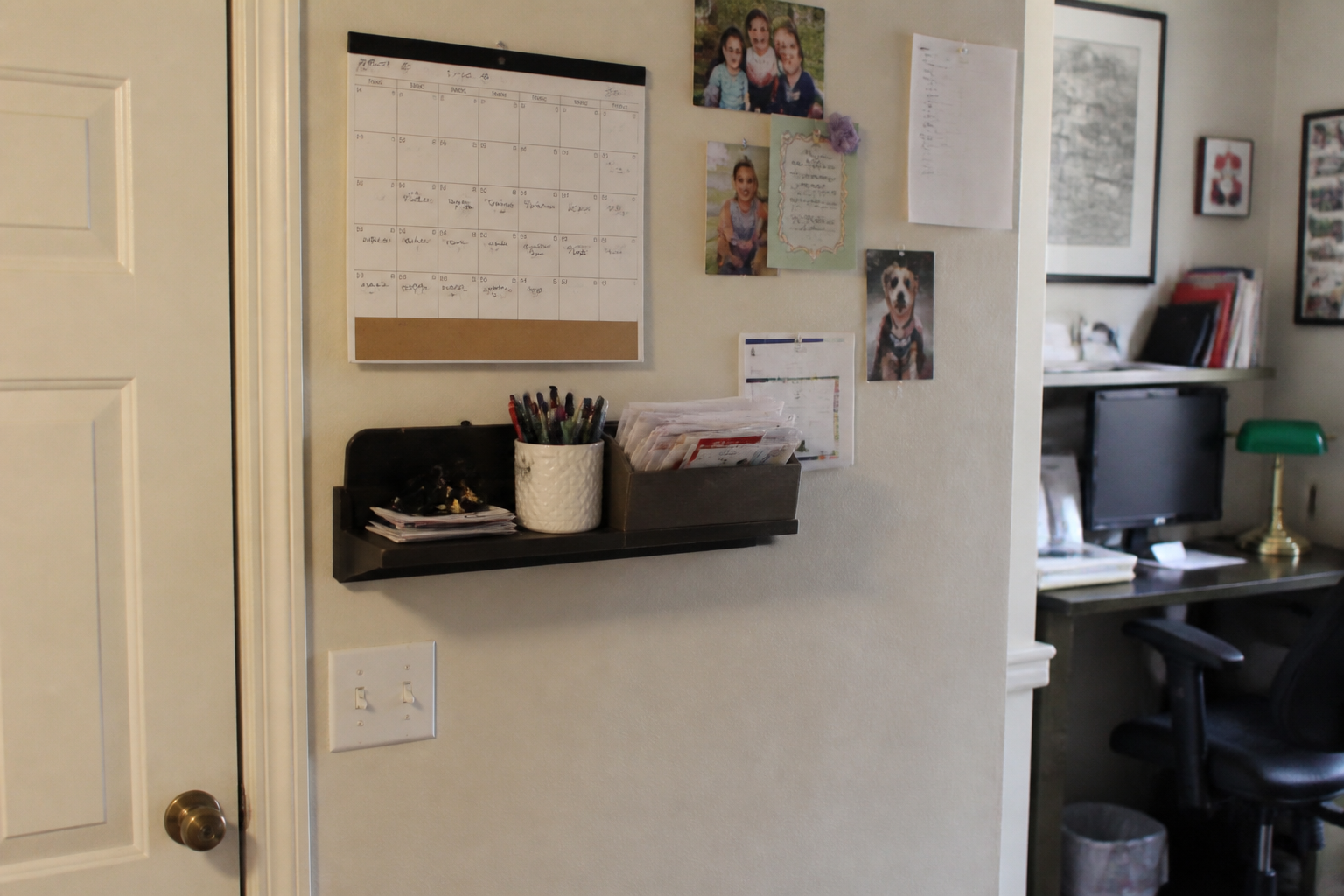
You spend 10 extra minutes every weekday morning hunting for lost keys, digging through a pile of counter mail for a last-minute permission slip, or scrolling 20 group chat texts to confirm your kid’s soccer practice time. You don’t need a full entryway counter or built-in nook to fix that chaos with a family command center. Even a 1-2 sq ft (12×24 inch) wall spot delivers all the core value, as long as you stick to high-frequency, non-archival items and skip the bulky decorative add-ons most generic organization guides push. This piece breaks down the three non-negotiable components that fit that tight footprint, the optimal vertical placement sequence, and the 10-minute weekly reset to keep the system working long-term without messy clutter buildup. Spend 10 minutes hunting for a lost permission slip one morning, and 20 minutes scrolling through group chats to confirm soccer practice time the next? A small, well-built family command center eliminates both headaches entirely, without taking over your entryway or kitchen counter.
Core Purpose and Benefits
Definition
A family command center is a dedicated, high-traffic hub built to consolidate all your household’s routine admin, communication, and small item storage. You don’t need a full entryway counter or built-in nook to make one work—even a 12×24 inch (1-2 sq ft) wall-mounted setup delivers all the core value, as long as you only stock high-frequency, non-archival items. That’s the detail most generic organization guides skip, which is why people assume command centers won’t work for small homes.
Primary Household Advantages
Streamlined inter-family communication
No more scrolling through 20 group chat texts to find the time of your kid’s soccer practice, or missing a last-minute schedule change because a partner forgot to relay it. All updates get posted in this single shared spot, so everyone sees the same information when they grab their keys or drop off mail. Your weekly 10-15 minute reset check-in (held right at the command center) lets you align on dinner plans, activity drop-off responsibilities, and upcoming deadlines without scattered conversations across the week.
Centralized access to organizational resources
Even the compact 1-2 sq ft wall layout fits every non-negotiable organizational tool most households need: a mini dry-erase calendar, two stacked wire baskets for incoming mail and pending action paperwork, three small hooks for keys and daily accessory storage, and a 4×6 inch cork strip for urgent school or work notices. You won’t have space for old report cards, past medical bills, or other archival paperwork, so you’ll need to set a hard rule to clear out any items older than two weeks during your weekly reset. That small tradeoff eliminates the clutter that makes most command centers unusable after a month. You can also tuck a small printed list of non-emergency medical contacts, chore checklists, or prescription refill reminders behind the calendar if you want extra functionality without expanding the footprint.
Reduced daily routine chaos
Most families lose significant time every weekday morning hunting for lost keys, forgotten permission slips, or last-minute lunch notes. A properly set up small wall command center eliminates that scramble entirely, because every item has a fixed, visible spot. Assign age-appropriate small tasks to kids, like marking their own after-school activities on the calendar or clearing out outdated school notices during the weekly reset, and you’ll cut down on your own admin workload too. Over time, the consistent routine cuts down on last-minute arguments and missed deadlines with barely any extra effort.
Standard Required and Optional Components
Mandatory Core Components
You’ll need to fit all three of these in your 1-2 sq ft space before adding any extras. Skipping one means your center won’t serve its core purpose of cutting down on schedule mix-ups and lost paperwork.
Schedule tracking tools
Stick to a single 8×10 inch dry-erase or paper monthly calendar. That’s large enough to fit 4-5 short entries per day (no long descriptions, just initials and a 1-2 word activity note, like "L: soccer practice") without crowding. A common misstep here is buying an oversize 12×18 calendar that eats 70% of your available space, leaving no room for mail sorting or key storage. If you have split caregiving schedules, you can color-code entries with 2-3 thin marker colors, no extra labels needed.
Paperwork and incoming mail sorting tools
One 6 inch wide, two-tier stacked plastic or wire action tray is all you need. Reserve the top tier for time-sensitive items: unopened time-sensitive mail, school permission slips, appointment reminders that need a response within 72 hours. The bottom tier holds items that need to be filed, mailed, or returned within 7 days. Junk mail, grocery receipts that don’t need to be saved, and outdated flyers get sorted directly into recycling before anything goes in the tray. No extra trays allowed here—they take up too much vertical space for this small footprint.
General functional accessories
You only need 2-3 heavy-duty adhesive hooks, mounted below the calendar and tray. Hang a single pen tied with 6 inches of cotton string to one hook so you never have to hunt for something to write with when adding a last-minute schedule entry. Use a second hook for your primary household key ring. If you have leftover vertical space, use the third for the bag you carry most often for school drop-offs or errands.
Optional Customization Add-Ons
Only add these if you have leftover space after fitting all mandatory core components. Don’t shrink your calendar or tray to make room for add-ons—you’ll lose more functionality than you gain.
- A 4 inch wide wire basket for coupons, small gift certificates, or postage stamps
- Mini clothespins pinned to the edge of the calendar to hold permission slips that need signing the same day
- Large-print, age-appropriate label stickers for kids old enough to update their own activity entries or clear out outdated papers from the bottom tray
- A small magnetic whiteboard eraser stuck to the corner of your dry-erase calendar, if you use one The weekly reset for this set takes 5-10 minutes tops: wipe off old calendar entries, file or discard items from the bottom tray that are no longer relevant, and confirm all upcoming week’s events are logged. If you find the reset is taking longer than 15 minutes, you’ve probably added too many optional components and can pare back.
Small Wall-Mounted Layout Designs
Common Space-Efficient Layout Options
Hidden kitchen cabinet interior layout
This works if you don’t want your command center visible to guests. Mount adhesive hooks, a magnetic mini calendar, and a slim magnetic mail slot to the inside of an upper cabinet door, ideally next to your fridge or pantry where you already grab snacks, sort receipts, or drop keys. The entire setup stays hidden when the cabinet is closed, and you don’t use any visible wall space at all.
Compact corner wall layout
Use the often-overlooked 6 to 8 inch wide dead corner between your front door and coat closet, or between your kitchen counter and upper cabinets. Mount a narrow 12 inch tall whiteboard at eye level, a 2-tier stackable wire mail tray directly below it, and 2 to 3 low hooks for kids’ backpacks. The corner shape keeps the setup out of high-traffic walkways, so no one bumps into it.
Customizable narrow pegboard + clipboard layout
A 12×24 inch pegboard fits almost any small wall gap, even between light switches and door frames. Clip a dry-erase calendar to one wall-mounted clipboard, assign one small clipboard per family member for school papers or personal to-dos, and add small J-hooks for keys, lanyards, and reusable shopping bag clips. You can rearrange the pegs and clipboards in 2 minutes if your family’s needs shift.
Non-Negotiable Components for Limited Wall Spaces
You don’t need dozens of bins or cubbies to make a small command center work. Stick to only these three items to avoid wasting space: a frameless dry-erase calendar (12×18 inches works for most families), one 2-tier plastic or wire paper tray for incoming mail and action items, and 3 to 4 heavy-duty adhesive hooks for daily carry items. If you have more than two family members, use color-coded paper clips inside the single action tray instead of separate individual inboxes; that cuts your required paper storage space by 75% without losing functionality.
Optimized Vertical Layout for 1-2 Square Foot Spaces
This step-by-step placement sequence ensures you use every inch of your small wall spot without crowding:
- Mount the shared calendar in the top 4 inches of your allotted space, so every family member can see it without bending or stretching.
- Place your 2-tier paper tray and small pen caddy in the middle 6 to 8 inches of the space, at adult waist height for easy access when sorting mail or filling out school forms.
- Reserve the bottom 4 to 6 inches of the space for low-mounted hooks and kid-specific clipboards, so young children can grab their own backpacks and check their chore lists without asking for help.
Space-Wasting Add-Ons to Avoid for Small Setups
A common trap is loading up your small command center with cute but non-functional decor or overspecialized storage that eats up valuable space. Skip bulky wooden cubbies, which take twice as much room as slim stackable wire trays. Don’t add separate labeled inboxes for every family member; color-coded tabs in your single action tray work just as well. Skip large decorative wall signs or motivational quotes that take up space you could use for functional items, and skip extra hooks for seasonal items like ski passes or Halloween costume bags, which you can store in a closet when not in use. You can also skip a dedicated separate chore whiteboard; write color-coded chores directly in the bottom corner of your shared calendar to save half your usable wall space.
Weekly Reset Routine
Standard Step-by-Step Reset Process
- Block 10 to 15 calm, distraction-free minutes once per week to work through the reset, ideally on a Sunday or the day before your family’s standard work and school week starts.
- Cross-reference any digital family calendar entries with the physical calendar mounted at your command center, updating new appointments, after-school activities, and transport assignments for all household members.
- Clear out all outdated paper: expired grocery lists, completed task slips, and old event flyers go straight to recycling. If you’re working with 1 to 2 sq ft of wall space, don’t sort unopened mail at the command center itself—move that pile to a nearby counter to avoid cluttering your limited storage slots.
- Jot your confirmed weekly meal plan on the designated section of your calendar or a small attached magnetic notepad, so all family members can see what’s for dinner without asking.
- Restock small command center supplies as needed: extra pens, color-coded sticker dots for kid-specific events, or replacement pages for your tear-off notepad if you’re running low.
Age-Appropriate Participation Tasks for Long-Term Functionality
Tasks for young children (ages 2 to 8)
Keep tasks simple and tangible to build consistent habits. Kids in this age group can hang their own backpack on their assigned command center hook after school, hand you any papers from their folder for you to review, and sort color-coded stickers for marking their own playdates or school events on the calendar. You won’t have to remind them where their backpack is every morning, and you’ll cut a couple of minutes off your own reset time each week.
Tasks for older children (ages 9 to 12)
Kids this age can take on more independent responsibility for their own items. They can update their after-school activity and playdate entries directly on the family calendar (remind them to only write on the designated kid section to avoid overwriting adult appointments), empty their school folder of old homework and expired permission slips straight to the recycling bin, and hang their lunch box on their assigned hook after school each day.
Tasks for teens (ages 13 to 18)
Teens can handle tasks that keep the whole system running smoothly for everyone. They can log their own work shifts, sports practices, and carpool commitments to the calendar, restock the command center’s pen cup if it’s empty, and cross off any completed tasks on the shared to-do list section. If you keep medication refill reminders at your command center, teens can also note when their own allergy or regular prescription meds are running low directly on the designated line.
FAQ
How much will a 1-2 sq ft family command center cost to set up in this year, compared to full-size models?
Most households spend $15 or less for this setup in this year, especially if you already have basic supplies like a mini dry-erase board and small wire baskets lying around. You won’t need to splurge on custom built-ins or oversize storage kits, so it’s 70-80% cheaper than full-size entryway command center setups.
Do I need a dedicated paperwork action tray for a 1-2 sq ft small wall command center?
Yes, it’s one of the three non-negotiable core components for this small footprint. A slim two-tier action tray keeps time-sensitive mail, permission slips, and pending action items separate so you don’t lose track of deadlines under loose, unorganized papers. You can skip almost all optional add-ons, but don’t skip this tray.
How do I do a weekly reset for my 1-2 sq ft command center without taking too much time?
Block 10 minutes every Sunday (or the day before your work/school week starts) to handle the reset. First wipe old calendar entries, toss expired papers from your action tray, sync the physical calendar to your family’s digital schedule, and restock pens if needed. If it takes longer than 15 minutes, you’ve added too many extra items.
What’s the most common mistake people make with 1-2 sq ft wall command centers that makes them unusable?
The most common mistake is cramming too many decorative or overspecialized add-ons (like individual inboxes for every family member or bulky wooden cubbies) that crowd out core functional components. Stick to only the mandatory calendar, two-tier action tray, and 2-3 hooks first, and only add extras if you have leftover empty space.
About the author
QuickSpace Living is an independent home-organization blog. Our contributors organize their own small homes and rentals and write practical, tested guides on storage, decluttering, and household routines. This is general home-organization guidance, not professional advice.