Three hours of emptying cabinets still ends with a maybe pile that will be bought again later. You’re cross-legged on your scuffed kitchen linoleum, sticky with faint residue from last week’s spilled lemonade, staring at half a dozen unused travel mugs, a bag of unopened drawer organizers, and three packs of plastic cutlery you grabbed for a party that never happened. You don’t want to toss something useful just to re-purchase the exact same item in three months, but you also can’t let the maybe pile take over half your counter for the next week.
Easy Keep/Donate/Recycle Labels You Make On The Spot
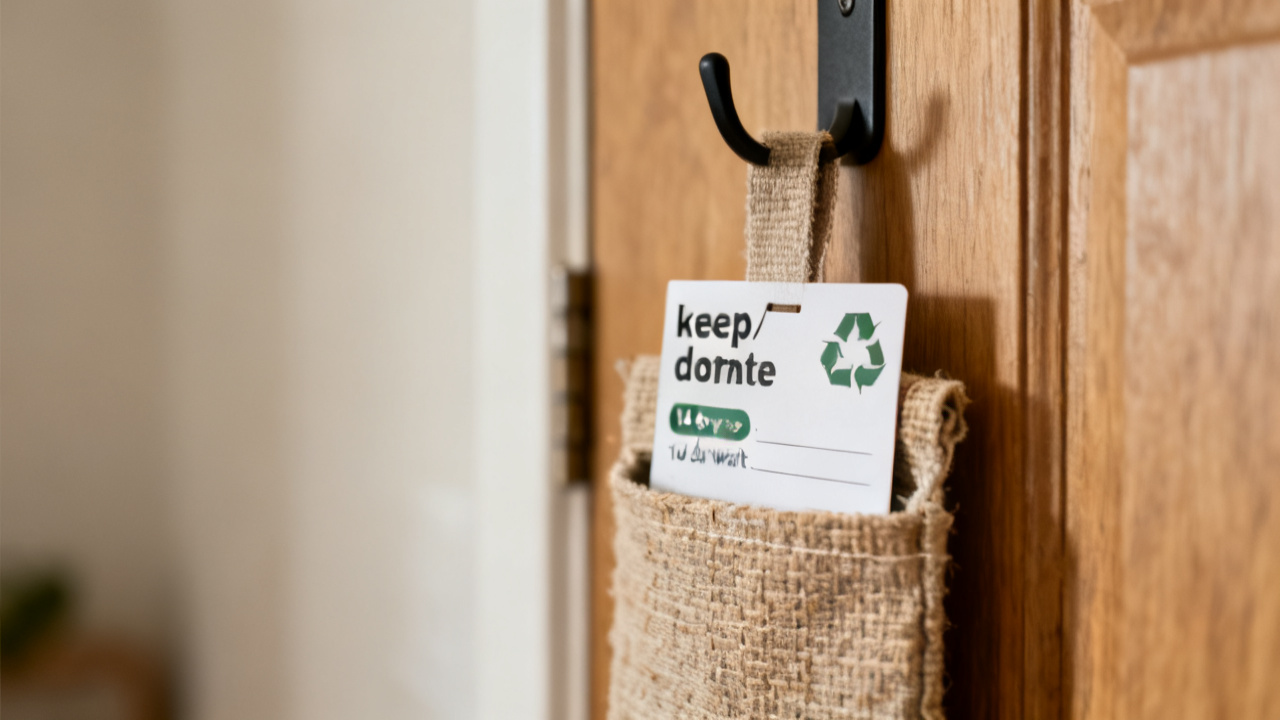
You don’t need fancy printed materials or special bins to set up your sort stations right where you are. Grab three small scraps of paper from the junk drawer you just finished clearing, and a ballpoint pen that works. Write “Keep” on the first scrap, and set it directly next to the lower cabinet you pulled most of these items from, so you can put confirmed keep items away immediately without carrying them across the house. If you’re sorting through a different area of your home, like your bathroom cabinet or home office desk, you can set the stations right next to the storage space you’re working on, so you don’t have to carry items across the house to put them away. Write “Donate” on the second scrap, and tuck it into the handle of the canvas tote you keep by your front door for old clothing drops, so any item you place in that tote is already earmarked for the local thrift store. Write “Recycle” on the third scrap, and set it on the lid of your kitchen recycling bin, so you can drop eligible items straight in as soon as you confirm you don’t need them. The only pile without a label right now is the maybe pile, which stays in the small stack at your feet, no need to move it anywhere yet. You don’t have to overcomplicate these labels: if you don’t have scrap paper, you can use three sticky notes, a piece of chalk to mark the spots on your counter, or even three different spoons to mark each station if that’s all you have handy. The point is to make the categories so clear you don’t have to think about where an item goes once you make a decision, cutting down on the mental fatigue that makes you default to “maybe” for every item you’re unsure about.
The 14-Day Wait Rule Adjustment That Cuts Rebuying
The core mistake that leads to rebuying decluttered items is forcing yourself to make a permanent decision about an item when you’re already tired from hours of sorting. This 14-day wait rule removes that pressure, and only takes five extra minutes to implement right now, with supplies you already own. Follow these steps for every item in your maybe pile:
- Write the name of each maybe item on a single sheet of scrap paper, leaving a small blank space next to each name to mark if you use it later.
- Tuck that list into the clear gallon-sized plastic storage bag you keep in your pantry for leftover bulk snacks or freezer storage.
- Place all your maybe items into the same bag, seal it shut tightly, and write the current date on the outside of the bag in thick, bold marker so you can spot it easily later.
- Stash the sealed bag in the back of your hall closet, the top of your pantry shelf, or another out-of-the-way spot that’s still easy to reach if you realize you need something inside it in the coming weeks.
This works because you don’t have to commit to getting rid of anything right now. If you remember halfway through the two weeks that you need that citrus juicer for a summer barbecue recipe, you just pull the bag open, take the juicer out, cross it off the list inside, and put it back in its regular cabinet spot. No guilt, no panic trip to the store to buy a new one because you donated the old one too soon. Illustrative example: If you have 12 maybe pile items, you will likely only reach for 2 of them in the 14-day window, leaving 10 to donate or recycle without worrying you’ll need to rebuy them later. That ratio holds for everything from kitchen gadgets to office supplies to extra linens, because most of the items you place in the maybe pile are things you haven’t used in months, and you won’t suddenly need them just because you put them in a bag. You don’t have to check the bag every day, or set a dozen reminders on your phone, just go about your normal routine, and only reach into the bag if you specifically need one of the items inside. If you don’t think about an item for the full 14 days, you don’t use it enough to justify keeping it, and you can get rid of it without second guessing.
When You Return To Settle The Maybe Pile
This is the next step of the job, exactly 14 days from the moment you sealed that bag shut. You don’t have to block off a whole afternoon for this step, it only takes 10 minutes tops, and you can do it while you wait for your pasta to boil or your laundry to finish the spin cycle. Pull the bag out of its spot, and first cross-reference the list inside with the items still in the bag. Any items that are already gone are keepers, and they’re already in their regular storage spots, so you don’t have to do anything else with those. For the items still left in the bag, sort them immediately into your pre-marked donate and recycle stations: items that are still in good shape, unopened, or gently used go into the donate tote, and items that are broken, expired, or made of recyclable material go straight into the recycling bin. Once the bag is empty, throw away the scrap of paper and the plastic bag (or reuse the bag for your next declutter session, if it’s still in good shape), then grab the donate tote and drop it off at your local thrift store on your next errand run, so it doesn’t sit by your front door collecting dust for weeks. This low-pressure approach aligns with the small, actionable steps QuickSpace Living recommends for small home spaces, so you don’t overwhelm yourself with big, one-day declutter marathons that leave you burnt out and more likely to let clutter build back up. You don’t have to do this for every single item you own, only the ones you’re genuinely unsure about, so you can cut down on decision fatigue and avoid the cycle of decluttering, rebuying, and decluttering the same item over and over again. You might be surprised how few of the items in your maybe pile you actually reach for in those 14 days, and how much lighter you feel when you get rid of the rest without any lingering guilt. You don’t have to keep things just because you spent money on them, or because someone gave them to you, or because you think you might use them someday. This rule gives you the proof you need that you don’t use those items, so you can let them go without worrying you’ll have to buy them again later. Even if you do end up needing one of the donated items a few months down the line, that’s a rare enough occurrence that it’s worth the tradeoff for the extra storage space and reduced clutter you get in the meantime.