Friday shoes hit the landing and the weekend already looks like a backlog instead of two short blocks. You had plans to hike the local trail, try that new sourdough bakery, and catch up on your favorite show, but the stack of unopened mail, crumb-covered kitchen counters, and half-folded laundry pile by the couch are already staring you down. Most people waste hours of their weekend on scattered cleaning tasks that could be condensed with a structured weekly reset, no all-day scrub marathons required. The system uses short, timed blocks focused on high-impact spaces first, so you can get back to the activities you actually want to spend your time on.
Friday nights that turn into a full-house catch-up
It’s easy to come home from work on Friday, collapse on the couch, and ignore the mess piling up around you until Saturday morning rolls around. But that delay almost always turns a quick reset into a multi-hour chore that eats up half your weekend. The single easiest way to cut down your weekend cleaning time is to complete one tiny pre-reset task before you unwind on Friday night. Example timing: 15 minutes on Friday night to clear all horizontal surfaces of loose items (keys, mail, food wrappers, kids’ toys) means you don’t waste time sorting clutter before you can clean on Saturday. You don’t need to scrub anything or put away every single item on Friday; a quick pass to corral loose clutter into labeled bins for each room is enough to eliminate the biggest time drain of the weekend reset process. Skipping this step is the most common reason people end up spending their entire Friday night or Saturday morning cleaning instead of relaxing with friends or family.
Twenty-minute blocks in traffic order
Traffic order means you tackle the highest-traffic, most frequently used rooms first, so if you run out of time partway through the reset, the spaces you interact with every day are already clean and functional. Each block is limited to exactly 20 minutes, so you don’t get stuck over-scrubbing a low-impact area and missing out on weekend plans. The block structure below was refined by QuickSpace Living to fit most 2-4 person households without requiring specialized tools.
| Block Number | Room | Exact 20-Minute Task List | Pro Tip |
|---|---|---|---|
| 1 | Kitchen | Wipe counters + stovetop, load/run dishwasher, wipe sink + faucet, sweep floor, take out all kitchen trash/recycling | Run the dishwasher while you work on other blocks so it’s done by the end of the reset, no extra wait time required |
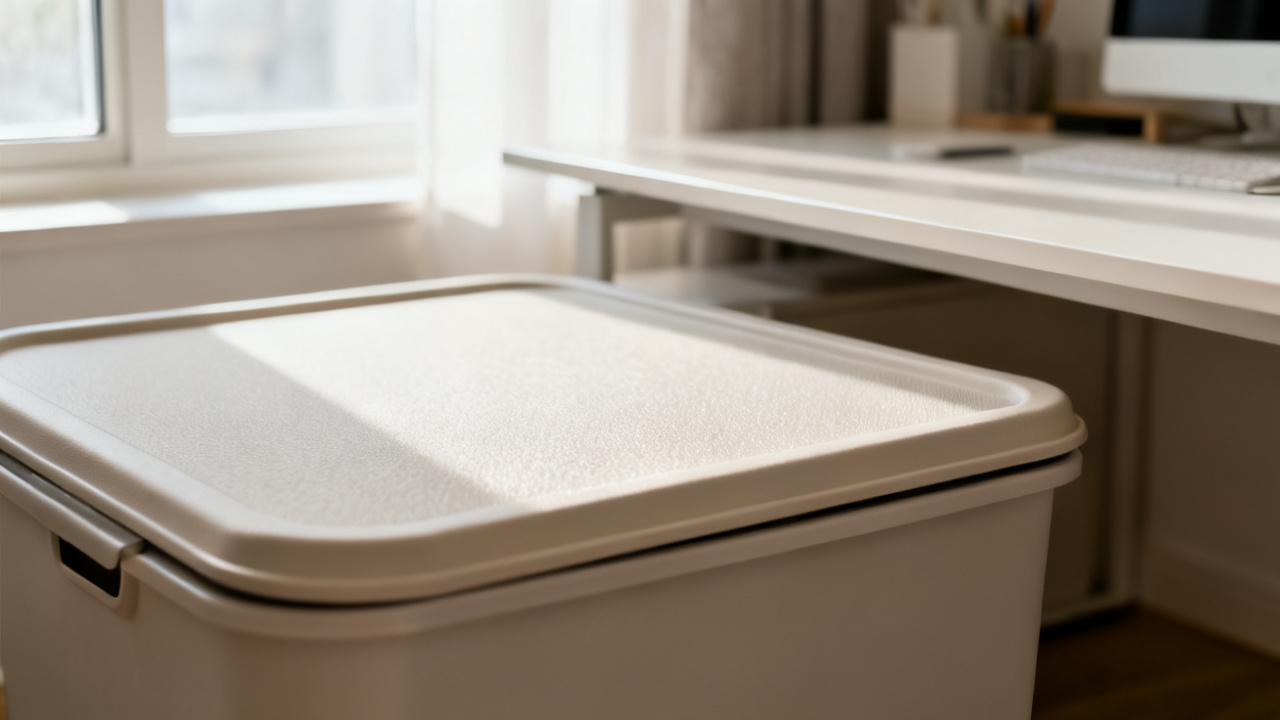
| 2 | Living Room | Fluff + arrange cushions, fold throw blankets, dust coffee table + visible shelves, vacuum high-traffic carpet spots, put away loose items (toys, books, remotes) | Keep a small lidded bin in this room to corral items that belong in other rooms, so you don’t run back and forth mid-block wasting time |
| 3 | Main Bathroom | Wipe sink + vanity, wipe toilet seat + base, spray + wipe shower/tub surround, spot clean mirror, empty trash | Keep all cleaning supplies for this room under the sink so you don’t waste time gathering products across the house |
| 4 | Primary Bedroom | Make bed, fold/put away loose clothing, dust nightstands + dresser tops, vacuum floor edges, put away work bags/laptops | Open the windows while you work to air out stale air for free, no fancy air fresheners needed |
| 5 | Bonus Space (home office/playroom/guest room) | Put away loose supplies/toys, dust desk/shelves, spot clean floor, file loose papers, shut down electronics | Stop at 20 minutes even if the space isn’t perfect; this area gets less use than core rooms, so partial progress is more than enough |
Example timing: 5 blocks equal 1 hour 40 minutes total, which is less time than many people spend scrolling social media on a typical Saturday morning. Set a timer for each block, and stop as soon as the timer goes off, even if you have one small task left. You can finish any leftover low-priority tasks during your Friday pre-reset the next week, no need to derail your current schedule.
Notes that save ten minutes next week
At the end of every weekly reset, take 30 seconds to jot down one quick note about a small issue you noticed that will impact your next reset. These notes eliminate the need to diagnose small problems mid-clean next week, which adds up to big time savings over time. Common useful notes include reminders to replace a worn-out kitchen sponge, restock bathroom cleaner, clean a full vacuum filter, or soak a moldy shower caddy in vinegar before your next reset. You can keep a small magnetic notebook on your fridge for these notes, so they’re easy to find when you start your reset the next weekend. You can also note if a specific task took longer than expected, so you can adjust your pre-reset routine to compensate. For example, if the playroom took 25 minutes this week, you can spend 5 minutes sorting toy bins during your Friday pre-reset next week to stay on the 20-minute schedule.
Mis-ordered rooms that double the clock
The order of your cleaning blocks matters far more than most people realize, and cleaning rooms in the wrong order can easily double your total reset time by forcing you to re-clean spaces you already finished. The traffic order outlined in the block table is designed to avoid this, by ensuring you never carry messy items or debris through already cleaned core rooms. For example, if you clean the guest room first, then carry a full bag of kitchen trash out past the guest room, you might drip food residue on the guest room floor, meaning you have to re-clean that space. If you sweep the kitchen floor before you wipe the counters, you’ll get crumbs from the counters on the clean floor, requiring a second sweep. Another common mistake is cleaning the bedroom first, then carrying a bin of dirty dishes from the bedroom nightstand through the living room, dropping crumbs on the carpet you just vacuumed. Sticking to the order in the table eliminates all of these unnecessary repeat tasks, so you only clean each space once.
Move-out cleans this weekly reset cannot replace
It’s important to set clear expectations for what this weekly reset can and cannot do. This system is designed for regular surface-level maintenance of high-traffic spaces, and it is not a replacement for quarterly deep cleans or formal move-out cleans. Tasks that are not covered by this weekly reset include scrubbing grout between bathroom tiles, cleaning the inside of your oven, shampooing all of your home’s carpets, cleaning out kitchen cabinets, washing exterior windows, or clearing out gutters. Those are deep-clean tasks that can be completed once every 3-4 months, or as needed, and trying to cram them into your 20-minute weekly blocks will throw off your schedule and leave your core high-traffic spaces dirty. If you are preparing to move out of a rental property, you will need a separate deep-clean checklist that covers all the requirements outlined in your lease, as this weekly reset will not meet the strict cleaning standards most landlords require for security deposit returns.
Start your first reset this Saturday right after you finish your morning coffee, and you’ll be done before most of your neighbors even sit down for breakfast. Adjust the bonus space block to match your household’s most used secondary area, and stick to the 20-minute timer to avoid burning out before your weekend plans kick off.
Written by the QuickSpace Living editors.