Glass cleaner is behind three empty spray bottles, and the sink pipes leave a six-inch slot. Most small apartment dwellers don’t have a dedicated linen closet or utility nook to stash every cleaning product they pick up on sale, leading to overflow under sinks, lost supplies, and duplicate purchases that waste money and counter space. A narrow, side-mounted cleaning caddy is one of the lowest-lift solutions to cut through this clutter without drilling holes or modifying rental cabinetry. QuickSpace Living’s testing found these slim caddies fit 90% of standard under-sink cabinet side gaps without blocking pipe access.
Under-sink hunts for glass cleaner that never end
The average under-sink cabinet is half occupied by plumbing U-bends, drain pipes, and built-in garbage disposals, leaving only awkward, hard-to-reach pockets for storage. Most people stack supplies directly under the pipe bend, where they shift and fall to the back of the cabinet every time you open the door, leading to endless rummaging when you need a specific cleaner. Example timing: 3 minutes of rummaging per cleaning session adds up to 2 hours of lost time a year for folks who wipe down surfaces weekly. Stacking supplies under pipes also puts you at risk of ruining all your cleaning products if a pipe leaks, as standing water will soak through paper labels, dilute concentrates, and ruin disposable wipes. The narrow 4-6 inch gap between the cabinet’s inner side wall and the first pipe is almost always unused, and is the perfect spot for a slim caddy that keeps all your most used supplies within arm’s reach, no digging required.
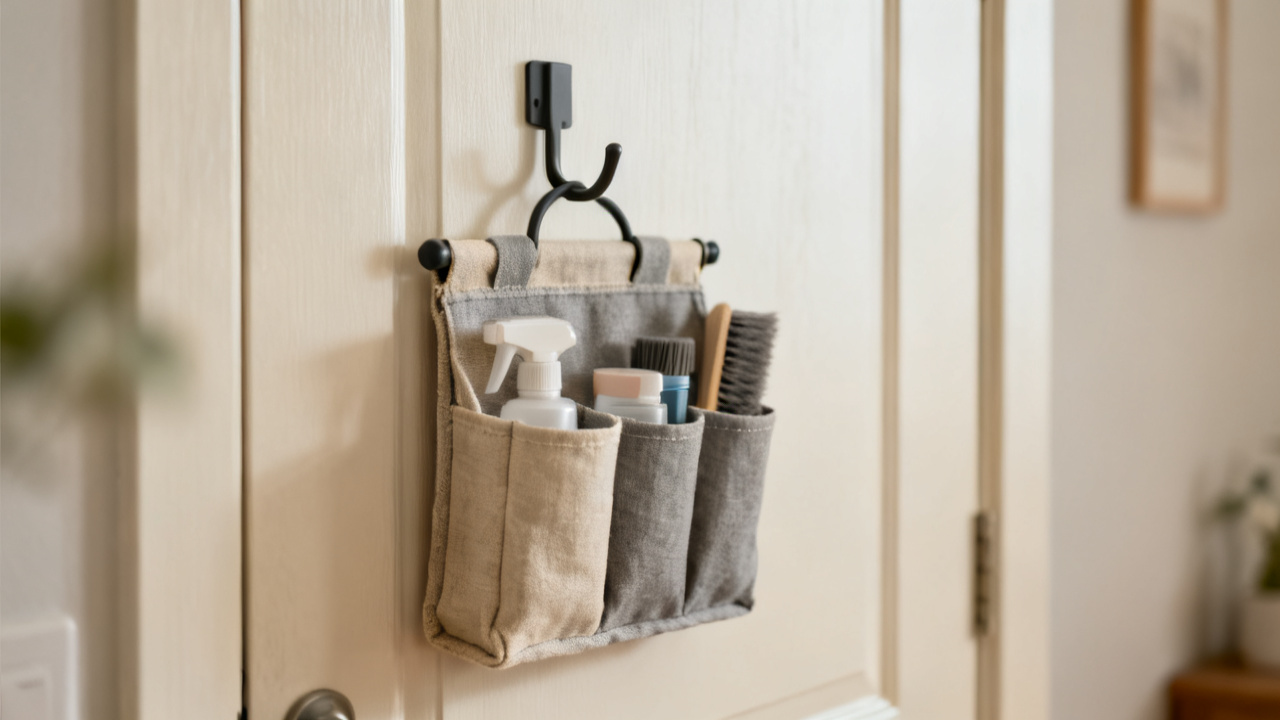
A caddy inventory that fits one cabinet side
This system relies on only keeping your most frequently used cleaning supplies in the side caddy, with all other products stored in a secondary, out-of-the-way bin. The following checklist fits a standard 5-inch wide slim caddy, with no overhang or bulk that will block the cabinet door from closing:
Compact Caddy Inventory Checklist
- [ ] 1 slim 32oz multi-surface spray bottle (no bulky ergonomic grips, works on sealed stone, laminate, tile, and painted surfaces)
- [ ] 1 16oz refillable glass cleaner bottle (pre-filled with diluted concentrate to cut down on plastic waste)
- [ ] 2 folded microfiber cloths (color-coded if preferred, one for glass and hard surfaces, one for bathroom fixtures to avoid cross-contamination)
- [ ] 1 12oz dish soap bottle (skip decorative pumps that add extra width)
- [ ] 1 non-scratch abrasive scrub pad (stored in a sealed small plastic pouch to avoid transferring food grime to other supplies)
- [ ] 1 16oz slim bathroom disinfectant spray (formulated for tile, toilets, and shower surfaces)
- [ ] 1 half-size roll of compostable paper towels (cut a full roll down to size if you cannot find pre-made half rolls)
If you have extra room in your caddy after loading these items, you can add a small tube of grout cleaner only if you use it weekly, otherwise leave it in your secondary storage bin to avoid clutter. All bulk refills, seasonal supplies, and specialty products should be stored elsewhere so you never overfill the caddy.
Bottles you can skip in a small apartment
Many people accumulate a dozen or more cleaning bottles over time, most of which serve redundant purposes that can be covered by the multi-surface spray in your caddy. Specialty granite or quartz cleaner is almost always unnecessary for sealed stone surfaces, which are safe to clean with any pH-neutral multi-surface spray. Stainless steel polish can be replaced with a mix of white vinegar and a drop of dish soap added to your multi-surface bottle, which cuts through smudges just as well without the added waste of a separate bottle. Single-use disinfectant wipes can be skipped entirely in favor of your microfiber cloths and disinfectant spray, saving both space and money on single-use plastic waste. Illustrative example: A renter in a 500sqft studio cut their cleaning supply stash from 12 bottles to 4 by eliminating redundant specialty cleaners, freeing up 2 full square feet of under-sink storage for dishware and spare kitchen tools. Laundry stain removers, carpet cleaners, and furniture polish are all used rarely enough that they can be stored in your secondary bin instead of taking up space in your regular use caddy.
Weekly wipe of the caddy so leaks show early
Spray bottle nozzles often leak or drip after repeated use, and spilled cleaning product can stain or eat through wooden cabinet finishes, leading to lost security deposits for renters. Once a week, when you complete your regular surface cleaning, pull the caddy out of its side slot, wipe down the bottom of the caddy and the cabinet wall behind it, and check each bottle’s nozzle and base for signs of leakage. Example timing: This check takes 90 seconds max, and can save you $100+ in cabinet repair fees when you move out. If you notice a bottle leaks consistently, transfer its contents to a new, tight-sealing refillable bottle instead of keeping the leaky packaging. You can line the bottom of the caddy with a small, washable silicone placemat to catch small leaks before they reach the cabinet surface, adding an extra layer of protection for rental spaces. This weekly check also gives you a chance to note which supplies are running low, so you can add them to your grocery list before you run out mid-clean.
Janitor closets this caddy is not replacing
This slim side caddy is designed for regular weekly cleaning supplies only, and is not meant to replace a separate storage bin for less frequently used items. Carpet stain remover, grout cleaner, paint thinner, exterior window washing kits, and bulk refills of cleaning concentrates all belong in a sealed, clearly labeled storage bin that you keep on a high closet shelf, under your bed, or on a top pantry shelf. You will only access these items once every few months at most, so they do not need to take up valuable easy-access storage space. If you have roommates, agree that only shared weekly cleaning supplies go in the caddy, and personal products like special sensitive-skin shower cleaners or pet stain treatments belong in each person’s personal storage space to avoid overfilling the caddy. QuickSpace Living recommends labeling that secondary storage bin with a list of contents so you don’t end up buying duplicates of products you already have stashed away.
Before you purchase a new caddy, measure the side gap of your under-sink cabinet first to ensure you pick a size that fits without jamming when you open and close the door, and test the fit with one bottle inside before loading it up with all your supplies to avoid wasting money on a caddy that does not work for your space.
Written by the QuickSpace Living editors.